


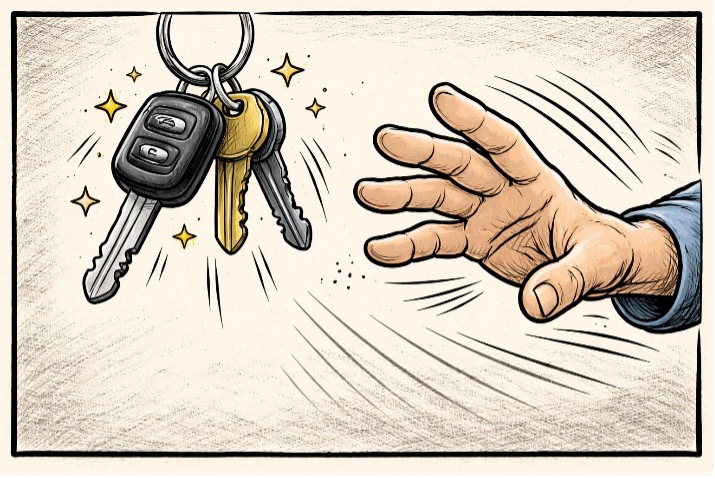
The Leadership Vacuum: Who Grabs the Keys Matters
Recently, I worked with a team where the leader needed to be removed. He was prone to blowups that created a toxic environment, leaving behind a team that had become tense, unfocused, and lacked trust. When that leader left, there was a collective “sigh of relief.” It felt like a turning point that things would organically get better from there. But what happened next is something we’ve seen play out many times in our organizations and on our project teams.
The leader left and there was no plan. The team lacked agreement on what to do next or who would step in. There was no structure, no defined leadership, no alignment, and although the removal was a positive thing, a vacuum was created. As often happens, someone “assumed” the role. Regarding the situation, I heard someone say, “The first person to grab the keys on the road trip isn’t always the best driver.” For this team, the person who grabbed the keys, nearly crashed the car. The toxicity was replaced with a new set of issues. Someone stepped in based on availability and urgency, not intention or capability.
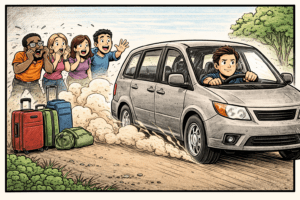
The person who “grabbed the keys” tried to control everyone. They moved quickly and loudly, not thoughtfully. Any communication via text, email, or in person didn’t become clearer, just louder. And that fragile sense of trust everyone had been hoping would settle in took another hit, and this time it was worse.
It made me realize something important: simply removing a toxic leader is only the first step. It creates an opportunity to operate differently. But how do you fill the vacuum in a positive way? In our experience, it comes down to a few key elements:
- Clarity. Name who is in charge and what are the defined roles and responsibilities of the team.
- Boundaries. Set the norms. What behaviors are acceptable now? How do we align communication? The old saying goes ‘culture is defined by the worst behavior the leader tolerates.’ You need to define what is acceptable and what is not, moving forward.
- Stability. Leadership needs to be rebuilt through consistency and reliability, which will ultimately build trust over time.
Unless you have a person waiting in the wings who won the leadership lottery, this reset doesn’t come from personality or authority alone. It comes from structure and clarity, clear boundaries and consistency. Teams need to understand who is leading and how decisions will be made, along with clear expectations around behaviors and communication. Most importantly, they need to see those expectations applied consistently over time (see Cinda Bond’s newsletter Consistency – The Sweet Superpower of Trust)
.
The Overcorrection Leader
What we saw unfold is something we’ve seen in many teams. Someone steps in with strong energy, trying to create order by making quick decisions and filling the silence. Often, the intentions are pure. Unfortunately, the impact can make the team feel like they are falling into a new trap.
In DISC terms, this is often what it looks like when high-D energy shows up in a moment that actually requires steadiness, listening, and patience. After a toxic experience, different people need different things in order to rebuild trust. Drawing from a recent webinar I watched hosted by Dan Kaplan, here are some needs from team members with different styles:
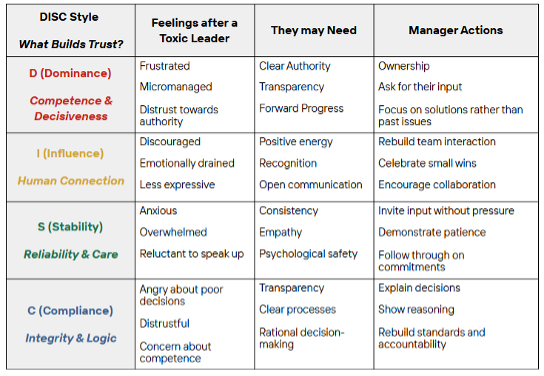
Some people need clarity and confidence that the team won’t spiral. Others need open communication and a chance to feel heard. A third group is looking for consistency and reassurance, while others are paying close attention to whether decisions feel fair and well thought out.
When those needs aren’t met, people won’t always push back directly or voice their needs. In a toxic environment, they will quickly disengage. When you start to feel the quiet resistance, or observe silence, that will stall your team all over again.
A Deliberate Reset Through Shared Agreements
At some point, rebuilding trust requires a deliberate reset. People need to come back to the table and agree on what happens next. That doesn’t happen by pushing positions or trying to “win” conversations. It happens by getting clear on what everyone actually needs moving forward and putting shared agreements in place. Unspoken expectations are often where trust breaks down, so the more explicit and aligned a team can be, the stronger the foundation becomes. This requires discipline and an investment of time!
Here are the steps that this team has taken:
- The correct person stepped in as leader. In this case the person with authentic authority stopped being passive and told the team he was going to step up.
- Roles of the team were clarified clearly. With leadership established, each team member understood how they would contribute and where they can support.
- Got the Right people in the Car. This team was fortunate that the person who originally grabbed the keys was offended by the structure and self-selected out.
- Stabilize and be consistent. Two weeks into the change and already team members are relieved at the changes and improvements. Now the focus is on maintaining that consistency because this is where real trust is built.

The shift doesn’t come from one big moment, it shows up in smaller ways. We see it when someone chooses to listen instead of push, when roles are clarified instead of assumed, and when consistency starts to replace the unpredictability that was there before.
Trust isn’t rebuilt through a single decision or a strong statement. It’s rebuilt over time, through repeated experiences that feel different than what people had before.
On a job site or within a team, leadership isn’t about who grabs the keys the fastest. It’s about who creates the conditions where people feel safe enough to trust again. As always, don’t forget your common goals and interests! So remember, when there is a leadership change, take a look at who is grabbing the keys. Set up a deliberate reset so you can align and move forward together.
~ Louisa

Louisa brings a fresh and energetic approach to DISC training, combining her passion for people with the collaborative methods of OrgMetrics. As a Certified DISC Trainer, she helps construction project teams understand communication styles, strengthen relationships, and work together more effectively. Louisa’s approachable style makes DISC accessible, engaging, and directly relevant to the real-world challenges teams face. She is based in the Livermore, CA, where she enjoys coaching youth sports, volunteering at her children’s schools, and spending time with family.
For more information, please contact Louisa Garrett, louisagarrett@orgmet.com / (702) 466-8722 (cell) or OrgMetrics robreaugh@orgmet.com / (925) 449-8300.