



No Failure, Just Steps – Are You Capturing Them?
“There is no failure in sports. It’s steps to success.”
If you follow basketball at all, you probably seen the interview clip where Giannis Antetokounmpo, after a brutal playoff exit, gets asked point blank, “Was this season a failure?” And without flinching he says, “There is no failure in sports. It’s steps to success.”
I grew up in a Greek family in Milwaukee, so the Greek Freak, Giannis, always catches my attention. However, when this interview dropped, what I kept thinking about wasn’t the Bucks, it was my son.
He was seven years old, and by coincidence was playing for the Bucks on his first grade team here in Livermore. They lost their championship game, and before those kids even made it off the court, they were all in tears. Full breakdown. Seven-year-olds who had worked so hard all season, and in that moment, all they could feel was the loss.
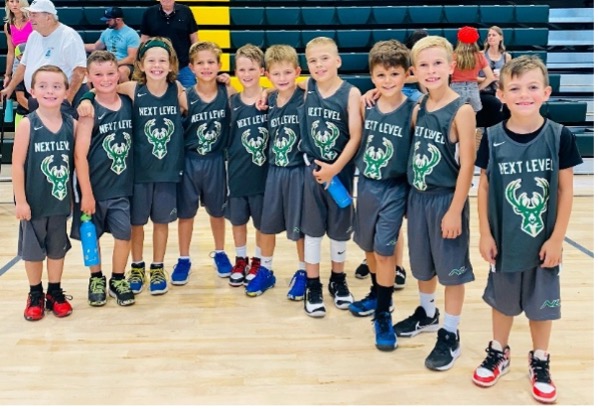
What struck me watching them wasn’t the crying. It was how much they had grown! Every single one of them over the course of that season. Kids who struggled to communicate at the start were now calling plays. Kids who quit easily were pushing through. But they could not see any of it in that moment, because all they could see was the scoreboard.
I pulled up that Giannis interview right there and sent it to every family before we even left the parking lot.
That’s the thing about growth, it’s almost impossible to see when you’re standing in the middle of the loss. It’s no different for construction teams.
Over the years we’ve seen teams grind through very challenging projects. They survived limited budgets, extended delivery dates, personality issues, third party delays…way more headaches than anyone signed up for, and they still walk away feeling like they failed. But when you actually sit down and look at what happened, what they learned, how they adapted, well that team is sharper than they were on day one. They just can’t see it yet because the scoreboard is still on their minds.
The question is whether they take the time to help them see that the job didn’t fail them… it built them.
The Job Ends. The Learning Doesn’t. What Each Style Brings to a Real Debrief
There’s no such thing as a perfect project. Schedules get compressed, communication breaks down, something gets missed between trades. What separates good teams from great ones isn’t that they avoid those moments but instead embrace them and work to gather lesson that they can apply moving forward. It’s what they do after that makes the real difference.
When you bring the whole team into the conversation, not just the findings, but the solutions…something shifts.
- Your D styles are already thinking two steps ahead. They want to know what’s changing and when. Ask them to focus on the strategy and Give them space to do so. They will drive the new standard forward.
- Your I styles are the ones reading the room. They’ll surface things nobody else will say out loud, because they’ve been communicating with the crew all job long and can articulate what others are thinking/feeling. You need that.
- Your S styles are watching to see if this is real or just theater. They’ve been through enough “lessons learned” meetings to know the difference. But if they learn a concrete lesson that can be applied to the next project, they become your most consistent carriers of the new process.
- And your C styles, they’ll poke holes in your solution before the next job does. That’s not resistance. That’s exactly what you want before you commit to a change.
When all four are in the room and in the conversation, you don’t just get a better list. You get a team that actually executes what’s on it.
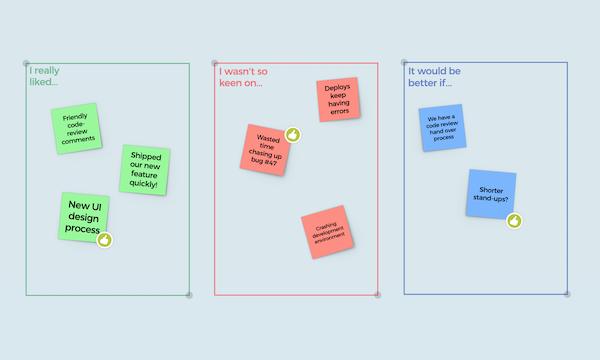
One Small Shift for Your Next Lessons Learned
Instead of presenting takeaways, try opening with three questions and letting the team build the answers:
- What worked that we need to make sure we do again?
- What hurt us, and why did it actually happen?
- If we run this job again tomorrow, what’s the first thing we change?
That’s it. You’ll be surprised what comes up when people know their answer isn’t going to get talked over.
Giannis wasn’t just being diplomatic in that interview. He was describing a mindset.
No project is a failure if you carry something forward from it. But you have to do the work of actually capturing it together. Your team already knows what went wrong, the question is whether you’re creating space for them to tell you.
Have a project close-out or phase transition where you can gather lessons learned coming up? Try the three questions above and let me know what surfaces. I’d genuinely love to hear what your team comes up with. And, if you need a deeper dive with a bigger team, give us a call.
~ Louisa

Louisa brings a fresh and energetic approach to DISC training, combining her passion for people with the collaborative methods of OrgMetrics. As a Certified DISC Trainer, she helps construction project teams understand communication styles, strengthen relationships, and work together more effectively. Louisa’s approachable style makes DISC accessible, engaging, and directly relevant to the real-world challenges teams face. She is based in the Livermore, CA, where she enjoys coaching youth sports, volunteering at her children’s schools, and spending time with family.
For more information, please contact Louisa Garrett, louisagarrett@orgmet.com / (702) 466-8722 (cell) or OrgMetrics robreaugh@orgmet.com / (925) 449-8300.