


Blueprints for Navigating Uncertainty
Picture this: the project superintendent gets a call – steel delivery is delayed two weeks due to a customs holdup. Meanwhile, the design team is still debating HVAC routing, and the client just hinted at a possible scope change. The project is already behind schedule, and tensions are rising. Welcome to the world of large-scale construction, where uncertainty isn’t just a possibility; it’s a daily reality.
From shifting political landscapes to supply chain disruptions, construction projects are uniquely vulnerable to a wide array of risks. But while uncertainty is inevitable, unmanaged uncertainty is not. With the right strategies, project teams can reduce risk, improve outcomes, and even turn uncertainty into opportunity.
Types of Uncertainty in Construction Projects
- Procurement Risks: Delays in material delivery, supplier insolvency, or quality issues.
- Cost Risks: Escalating prices due to inflation, tariffs, or currency fluctuations.
- Political and Regulatory Risks: Changes in government policy, trade restrictions, or political unrest can disrupt supply chains and labor availability.
- Design and Scope Risks: Incomplete or evolving designs, scope creep, or misaligned stakeholder expectations.
- Environmental and Site Risks: Weather events, soil conditions, or environmental regulations
These uncertainties can compound, leading to delays, cost overruns, and disputes. But there are proactive strategies teams can use to reduce uncertainty and mitigate risk.
Five Ways to Reduce Risk and Navigate Uncertainty
1. Build Trust Within the Team. Trust is the bedrock of any successful construction project. When team members trust one another, they are more likely to communicate openly, share concerns early, and collaborate on solutions. Trust reduces the need for excessive oversight and allows for more agile decision-making. It also fosters a culture where people feel safe admitting mistakes or raising red flags, critical behaviors in a high-stakes environment.
Example: On a recent hospital project, the general contractor and subcontractor with a history of trust were able to quickly realign their schedules when electrical panels were delayed, avoiding a costly work stoppage.
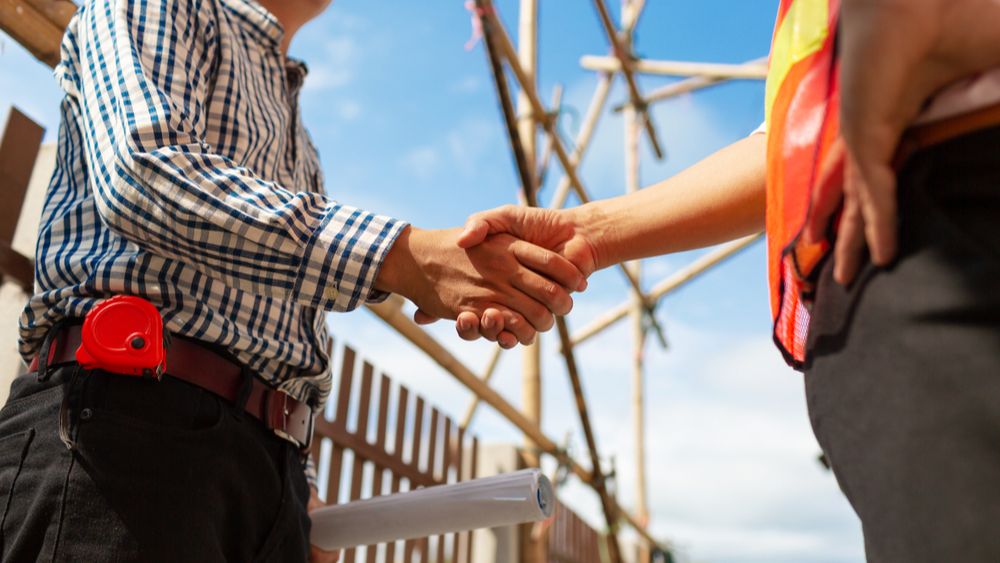
2. Resolve Disagreements and Issues Quickly and Well. Disagreements are inevitable, but unresolved issues can fester and derail a project. Establishing a clear, fair, and timely process for resolving disputes helps maintain momentum and morale. It also prevents minor issues from escalating into major conflicts. Effective issue resolution requires active listening, a commitment to shared goals, and sometimes, a willingness to compromise.
Example: On a recent highway project the team used the Issue Resolution Ladder to empower the RE and the contractor’s superintendent to negotiate entitlement before they elevated cost and schedule impacts to the next level. This allowed the team to resolve issues at the lowest possible level, escalating only if necessary. The process helped them build trust, support the schedule as a team, and prevent potential claims.
3. Set Up and Practice Efficient Information Flow. Information is the lifeblood of a construction project. Delays, errors, and rework often stem from poor communication. Establishing clear protocols for how information is shared—who needs to know what, when, and how—can dramatically reduce uncertainty. This includes using collaborative platforms, maintaining up-to-date documentation, ensuring that field teams have access to the latest plans and decisions, and building a collaborative culture.
Example: A progressive-design-build team working on a complex wastewater project team set up regular stakeholders meetings and used Bluebeam to keep everyone informed throughout the life of the project and communicate design updates to the field in a timely fashion. Issues could be resolved before they escalated. Misunderstandings and inaccurate narratives were minimized. And, the interests of the Operations and facilities teams were addressed, so the operators were excited in the final product.
4. ‘Red Team’ the Project. Red teaming is a powerful technique borrowed from the military and cybersecurity sectors. It involves assembling a group to play devil’s advocate, imagining everything that could go wrong and stress-testing the project plan. This exercise helps uncover blind spots and develop contingency plans for the most likely or most damaging scenarios. It’s not about pessimism, it’s about preparedness.
Example: Before breaking ground on a data center, the team conducted a red team session that identified potential delays due to local permitting. They engaged with local authorities early, avoiding a six-week delay.

5. Utilize a Partnering Facilitator or Standing Neutral. Sometimes, the best way to manage uncertainty is to bring in a neutral third party. A partnering facilitator or standing neutral can help align stakeholders, mediate disputes, and keep the team focused on shared goals. These professionals are especially valuable on complex projects with multiple parties and high stakes. Their presence can reduce adversarial behavior and foster a more collaborative environment.
Example: On a multi-billion-dollar airport expansion, a partnering facilitator helped resolve a disagreement over specification terms, which the team resolved for under $150K and prevented delays, which is very valuable when the daily overhead rate is upwards of $60K per day.
Final Thoughts
Uncertainty in construction is a given, but it doesn’t have to be a project killer. By building trust, resolving issues quickly, streamlining communication, proactively identifying risks, and leveraging neutral support, project teams can reduce uncertainty and protect their projects from costly disruptions.
Want to learn more about implementing these strategies on your next project? Let’s talk.
~ Kate
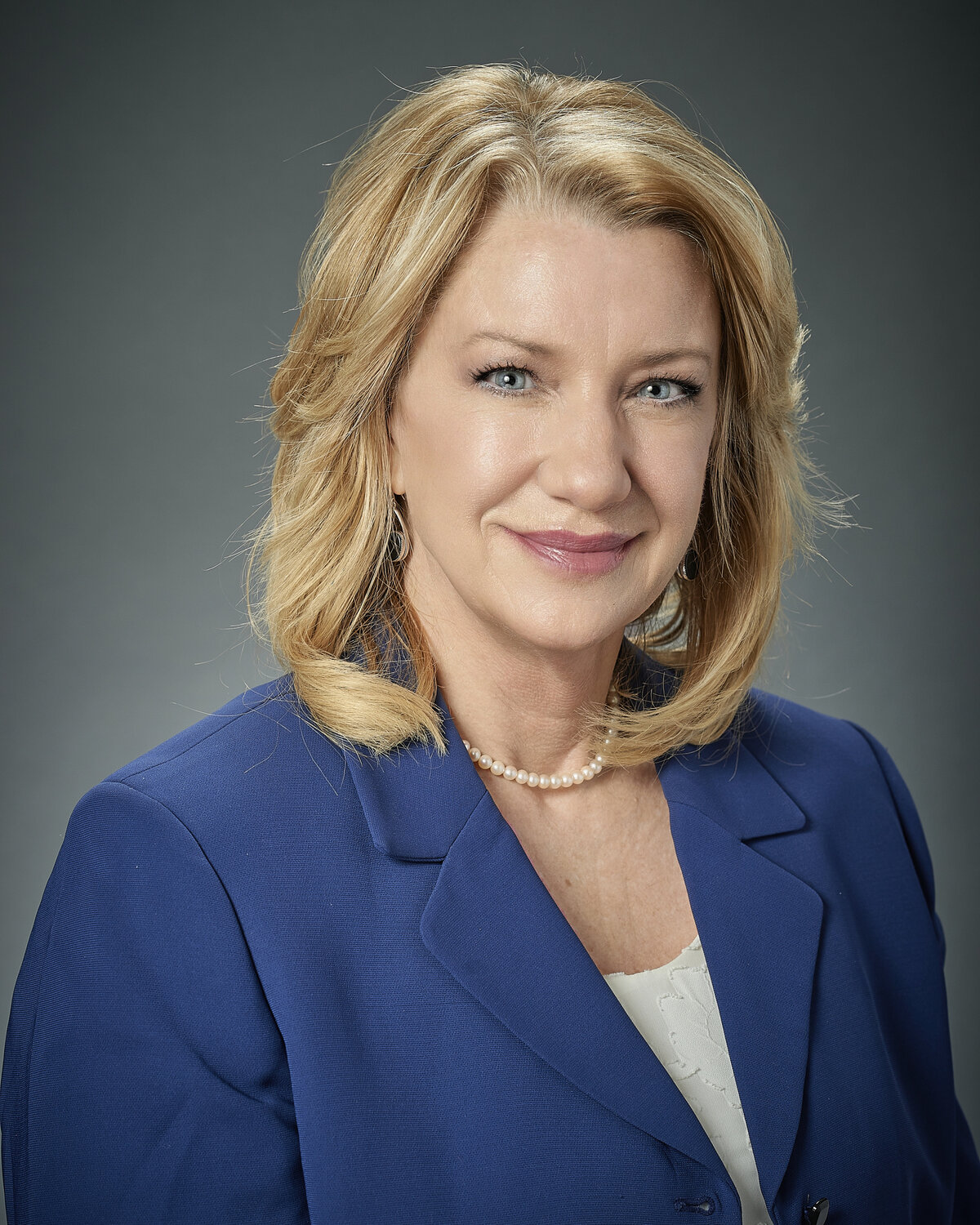
Kate Stewart’s distinguished career spans 25 years as a professional neutral and organizational development consultant for numerous large organizations. Her expertise includes Partnering facilitation on high-profile projects, such as the Kansas City International Airport mega program. She has served as a coach, trainer, researcher, and thought leader across various industries and disciplines on both domestic and international fronts. Kate is based in the picturesque Paradise Valley, Montana, where she enjoys hiking, gardening, and reading.
For more information, please contact Kate Stewart, katestewart@orgmet.com / (406) 414-9922 (cell) or OrgMetrics RobReaugh@Orgmet.com / (925)449-8300