

Godzilla is Coming!!!
Super El Niño: We’ve Talked About It. Now What?
Since August, one topic has come up at nearly every partnering session OrgMetrics has facilitated: Super El Niño.
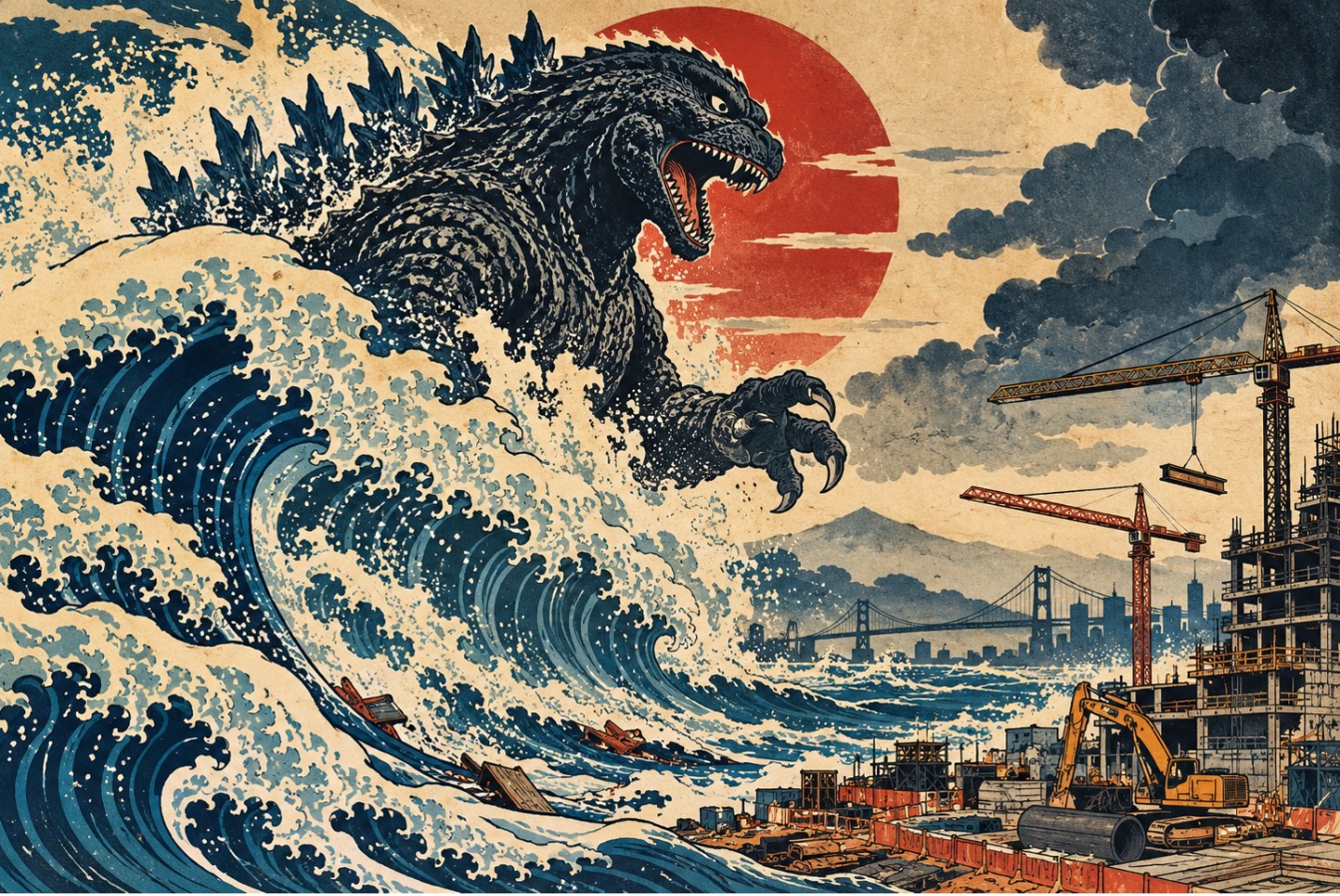
Everyone is talking about it. Everyone is concerned about it. With each conversation, I get a mental image of Godzilla rising out of the Pacific, a giant wave behind him, heading straight for our construction projects.
At some point, we have to stop talking about the monster and start figuring out what we’re actually facing.
So, How Big Is This Thing?
In short: forecasters are watching a very strong El Niño develop this fall and winter, and the outlook for California leans wetter than normal. That doesn’t guarantee flooding or severe storms, since a strong El Niño doesn’t always mean strong local impacts. But it’s enough of a signal that construction teams should have a plan.
For the latest forecast and details, visit NOAA’s El Niño/Southern Oscillation (ENSO) page which covers the big-picture forecast (get the September PDF here.)
So no, Godzilla isn’t guaranteed to come charging out of the Pacific. But it’s smarter to make a plan with the information we have in front of us.
Focus on What You Can Control
We can’t control how much rain falls, when it falls, or where it hits hardest. We can control how prepared our projects are to respond.
Start with the jobsite. Winterization should include:
- Temporary drainage systems that are ready to go
- Exposed materials and equipment that are protected
- Erosion-control measures that are in place
- Excavations, access roads, staging areas, and temporary facilities that are rocked to handle heavier-than-average rain
Then look beyond the jobsite. Think through what happens to your schedule if a critical activity loses five working days, or ten, or more. Consider which work could be re-sequenced, which decisions would suddenly become urgent, and which long-lead deliveries could be affected. Pay special attention to where one delay could ripple across multiple trades.
This isn’t a job for one person or one company. The owner understands operational priorities. The contractor knows means, methods, and sequencing. Designers understand the systems and the alternatives. Trade partners know where their work is most vulnerable. And the people in the field often see risks long before they show up on a schedule or risk register. No one needs to tackle this alone.
Get Ahead of the Storm
Bring the team together now and have a real conversation about risk in a meaningful way. Here are a few “what if” scenarios to get it started:
- Losing access to part of the site
- A flooded excavation
- A delivery that can’t get through
- Two weeks of lost production
For each one, talk through what decisions you’d need from the owner, where your biggest vulnerabilities are, and what you can do today to reduce them.
Then flip the conversation and look for opportunities. Talk about whether work could be re-sequenced or prefabricated off-site, and whether rainy days could be used for coordination, submittals, planning, and the work that usually gets pushed aside. Consider which decisions made now could protect critical-path activities later.
Don’t Forget the Dry Days
Just as important as planning for the rain is deciding what you’ll do when it isn’t raining. Put some of the obvious ideas on the table:
- Extend working hours while the weather is good (limited overtime is often cheaper than extended overhead)
- Increase crew size
- Work in more than one location at the same time
- Pull forward work scheduled for January or February
- Expedite decisions today so the field can move faster tomorrow
If we know Mother Nature may slow us down, the opportunity is to make the most of every day she doesn’t.
And if we prepare for the rain and it never comes? The worst that happens is we’re ahead of schedule. Not a bad problem to have.
Good teams react swiftly to problems. High-performing teams prepare for them together and look for opportunities to get ahead of them.
One Last Resource
For those of you committed to taking Super El Niño preparation seriously (as you absolutely should), we would never leave you without the proper educational materials.
Before your next winter-preparedness meeting, we recommend reviewing this highly technical explanation of El Niño from Saturday Night Live’s meteorological expert… Chris Farley.
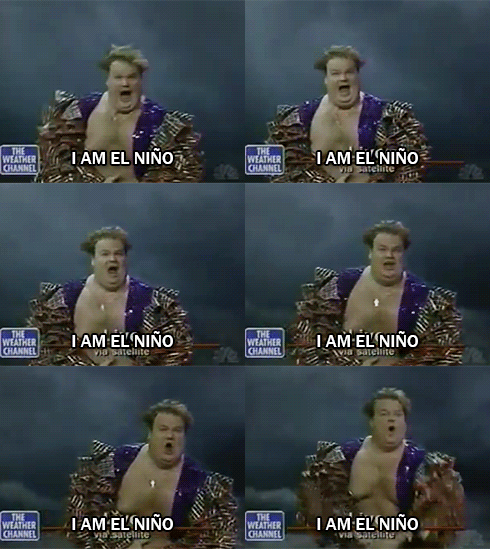
His 1997 SNL appearance may not help with your winterization plan, but nearly 30 years later, his explanation of El Niño has aged perfectly.
Watch it, have a laugh, then get your team together and start talking through the “what ifs.”
Super El Niño may be coming. Make sure your project team is ready to weather the storm.
~ Louisa
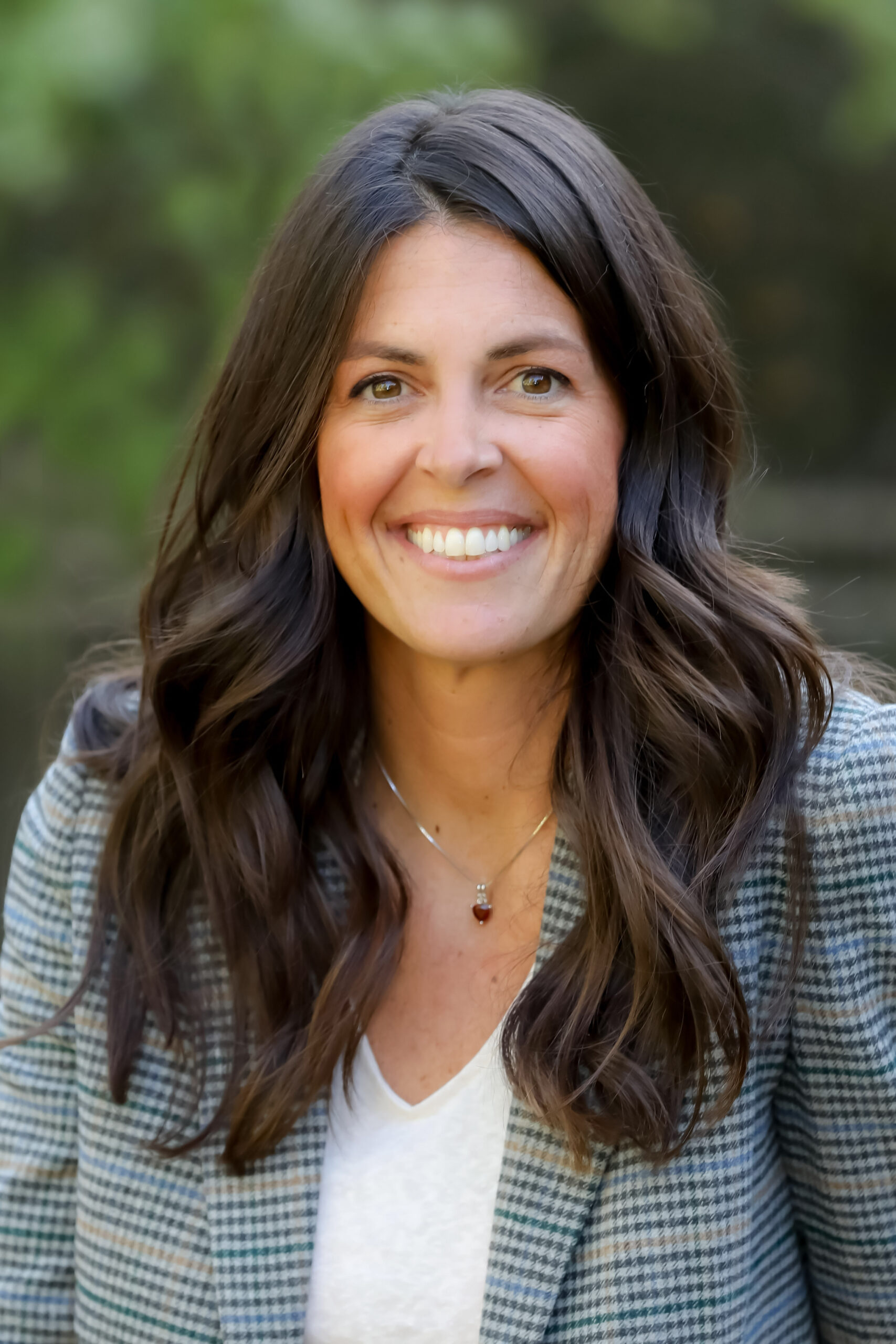
Louisa Garrett is a Partnering Facilitator with OrgMetrics LLC, specializing in building high-performing construction teams through trust, communication, and collaborative problem-solving. She supports the San Francisco Collaborative Partnering Steering Committee’s efforts to improve construction culture across multiple agencies and has facilitated partnering, team development, and negotiation training for complex aviation, infrastructure, water, and municipal projects.
Louisa is an International Partnering Institute (IPI) Trusted Leader and Center for Community Dispute Settlement Court Mediator. She is also a DISC Certified Trainer, using behavioral insights as an additional tool to help teams strengthen communication, understand different perspectives, and navigate conflict more effectively. Her work focuses on building the trust, relationships, and collaborative behaviors necessary for exceptional project outcomes.
For more information, please contact Louisa Garrett, louisagarrett@orgmet.com / (702) 466-8722 (cell) or OrgMetrics robreaugh@orgmet.com / (925) 449-8300.