


The Power of a Neutral Voice
My teenage daughter has struggled to stick to a workout routine over the past year.
Like many parents, I did what parents do. I reminded her to go for a run, practice her sport, or get outside and move. Unsurprisingly, the more I encouraged, the less she wanted to hear it, and the harder she pushed back. My attempts to encourage caused defensiveness in return.
Then along came Johnny.
Johnny is our neighbor, and out of the goodness of his heart, he offered to lead a free weekly workout for a few neighborhood kids. Surprisingly, my daughter was totally up for the challenge. After just one session, she was asking when the next workout would be. It quickly became something she genuinely looked forward to.
Overtime, I observed that Johnny did not just provide a workout. He became a mentor to her.
We saw it happen again recently during flag football training this summer. My daughter insisted that parents weren’t supposed to watch practice or scrimmages (She claimed the coach said so, but we had our doubts). We respected her wishes for independence anyway.
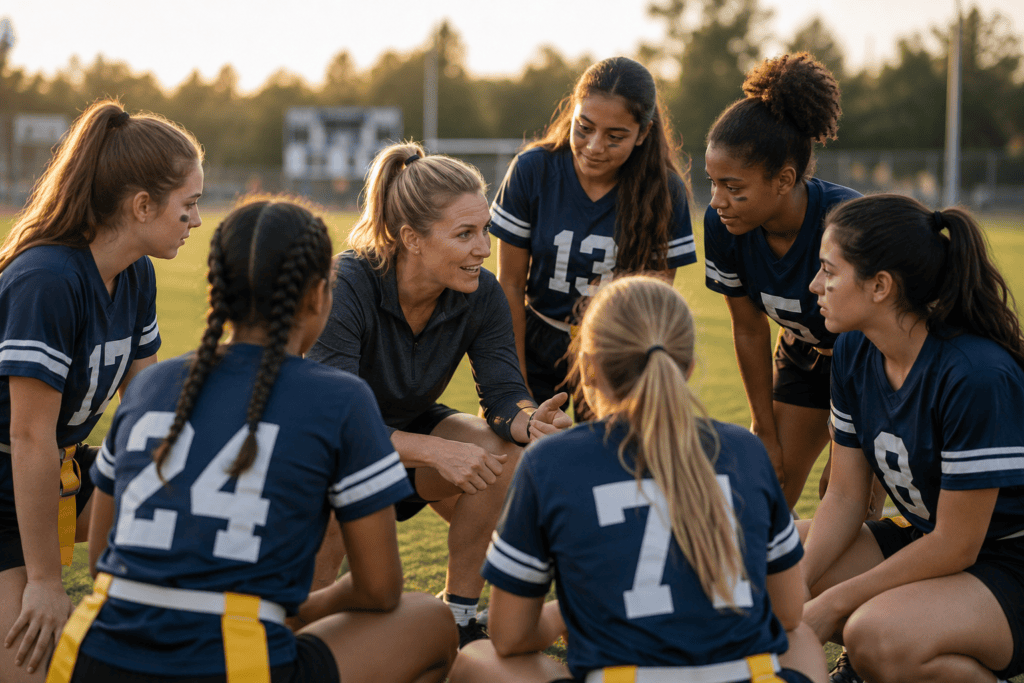
A few weeks later, I stayed to watch a scrimmage (against her will). I noticed a few things she could improve, but I kept those thoughts to myself. Instead, I simply told her how proud I was of her for trying and sticking to a new sport. She thanked me for my lack of “constructive criticism.”
Eventually, Johnny went to one of her scrimmages. Afterward, he shared a few observations (the same constructive criticism I had). She listened carefully. They talked through his suggestions. She practiced them the following week. There wasn’t an ounce of resistance.
What is it with kids?! They will defiantly refuse to listen to their parents, but when a trusted neighbor says the exact same thing, they are all ears. They will listen and even respond to just about anyone but us!
Every parent understands this at some level. It isn’t that parents aren’t good at parenting. It isn’t even that parents have worse advice. Sometimes the message isn’t the problem, but instead it is the messenger.
Johnny didn’t have a better workout plan than we did. He didn’t know more about my daughter’s athletic ability than we did. He simply occupied a different role in her life. His encouragement is free and unburdened by years of reminders, expectations, and emotion attached to it. Because of that, she was able to hear it differently.
The lesson extends far beyond parenting.
The Neutral Advantage
When we sit down in a negotiation, it isn’t just about saying the right thing. It’s about whether the other person is able, and willing, to receive the message you are actually saying.
You can be the most skilled negotiator in the room. You can have the facts, the experience, and even the best solution. But if the person across the table has stopped listening, your negotiation skills have very little room to work.
What made Johnny easier to hear than me is the same thing that makes a neutral party easier to hear at the negotiating table: no emotional history, no stake in being right, nothing to defend.
On a recent project with a local municipality, we knew that the contractor wanted extended work hours in order to build the project more efficiently. The contract stated that they had limited night hours, 11:00 pm-5:00 am, to do the actual work. In practice the city shut down around 9:00 pm. Everyone knew this, but the owner was concerned they could only get permission for what was written in the contract. It was a hard ‘no’ to extend the hours.
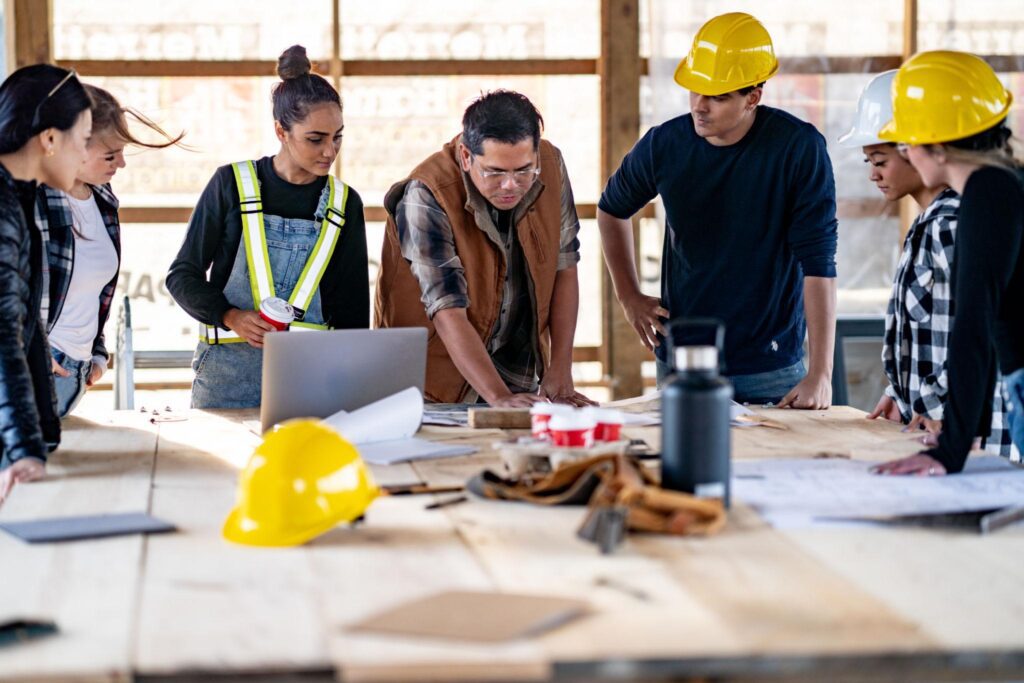
Then, during the partnering session, we asked the same question the contractor had been asking, but this time, representatives from the city were also in attendance. They jumped on the opportunity! For them, getting the project done sooner and giving the contractor more productive work was the win. They would be willing to go to bat for the team to extend the work hours. The team made the commitment, and they were able to achieve it.
This is a great example of why a neutral Partnering facilitator can be so valuable. A facilitator doesn’t replace the expertise in the room. They slow down communication and create an environment where people feel safe enough to hear one another again. The neutral can ask questions that don’t sound accusatory simply because they are curious. They reframe conversations without assigning blame. And they help people move from protecting positions to solving problems together.
In many cases, they are not changing the message. They are changing the conditions that allow the message to be heard. The irony is that most project teams don’t suffer from a lack of expertise. They suffer from a lack of neutral conversations. Sometimes the breakthrough is not a new solution. It simply may just be hearing the right message from the right person at the right time.
That’s the power of a neutral voice. So do yourself a favor and find a Johnny Boy for your project team.
<p”> ~ Louisa
P.S. Since written, I am thrilled to report that my daughter made the JV flag football team! We could not be more proud of her!

Louisa Garrett is a Partnering Facilitator with OrgMetrics LLC, specializing in building high-performing construction teams through trust, communication, and collaborative problem-solving. She supports the San Francisco Collaborative Partnering Steering Committee’s efforts to improve construction culture across multiple agencies and has facilitated partnering, team development, and negotiation training for complex aviation, infrastructure, water, and municipal projects.
Louisa is an International Partnering Institute (IPI) Trusted Leader and Center for Community Dispute Settlement Court Mediator. She is also a DISC Certified Trainer, using behavioral insights as an additional tool to help teams strengthen communication, understand different perspectives, and navigate conflict more effectively. Her work focuses on building the trust, relationships, and collaborative behaviors necessary for exceptional project outcomes.
For more information, please contact Louisa Garrett, louisagarrett@orgmet.com / (702) 466-8722 (cell) or OrgMetrics robreaugh@orgmet.com / (925) 449-8300.