



The Perils of Assumptions in Construction Projects
During Partnering workshops, I sometimes invite project teams to participate in an odd activity. After forming pairs, they sit back-to-back. One partner in each pair – the ‘Designer’ – is given a drawing of a weird-looking bug. The Designer then describes the bug in such a way that the other partner – the ‘Artist’ – can draw an identical replica without seeing the original. You can imagine the outcomes….
I love this activity because it highlights the importance of communicating accurately and thoroughly. Even more so, the assumptions that we make in our communication with others are on full display.
In the world of large construction projects, assumptions can be as dangerous as a loose brick on a scaffold. They sneak into our plans, whispering sweet nothings about scope, budget, schedule, and the motivations and intentions of others. While assumptions can sometimes be helpful, they often lead us down a path of unexpected surprises and costly mistakes.
Let’s dive into the different types of assumptions and explore why we make them, the neuroscience behind them, and how they can be both beneficial and perilous.
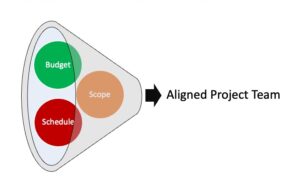
Types of Assumptions
- Scope Assumptions: These are the assumptions we make about the extent of work required. For example, assuming that a renovation will only involve cosmetic changes, only to discover structural issues that need addressing.
- Budget Assumptions: These involve assumptions about costs. Perhaps we assume that material prices will remain stable, or that labor costs won’t fluctuate. Spoiler alert: they often do.
- Schedule Assumptions: These are the assumptions about timelines. We might assume that a project will be completed within six months, not accounting for potential delays like weather conditions or supply chain disruptions.
- Motivations and Intentions of Others: These assumptions are about the people involved on our project team, or other stakeholders. We might assume that everyone is equally motivated and aligned with the project’s goals, which can lead to misunderstandings and conflicts.
Why We Make Assumptions
Assumptions are a natural part of human cognition. Our brains are wired to make quick judgments and decisions based on limited information. This process is known as heuristics—mental shortcuts that help us navigate complex situations without being overwhelmed by details. Heuristics are essential for efficiency, but they can also lead to errors in judgment.
Our brains are constantly processing vast amounts of information. To manage this, we rely on heuristics to simplify decision-making. These shortcuts are influenced by past experiences, cultural norms, and cognitive biases. For example, the availability heuristic leads us to make decisions based on readily available information, while the confirmation bias makes us favor information that supports our existing beliefs. I have often seen these operating in project team decision-making.
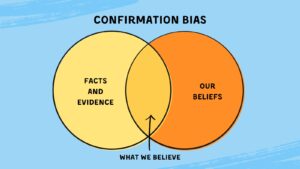
The Double-Edged Sword of Assumptions
Assumptions can be helpful in speeding up decision-making and simplifying complex processes. They allow us to move forward without getting bogged down by every detail. However, they can also be dangerous. When assumptions are incorrect, they can lead to misunderstandings, miscalculations, and costly errors.
Conclusion
In the realm of large construction projects, assumptions are inevitable. However, it’s crucial to recognize their potential pitfalls and take steps to mitigate their impact. By recognizing and challenging our assumptions, seeking additional information, and fostering open communication, we can navigate the treacherous waters of project management with greater confidence and fewer surprises.
Remember, assumptions are like scaffolding—they can support us, but if they’re not secure, they can lead to a fall.
~ Kate

Kate Stewart’s distinguished career spans 25 years as a professional neutral and organizational development consultant for numerous large organizations. Her expertise includes Partnering facilitation on high-profile projects, such as the Kansas City International Airport mega program. She has served as a coach, trainer, researcher, and thought leader across various industries and disciplines on both domestic and international fronts. Kate is based in the picturesque Paradise Valley, Montana, where she enjoys hiking, gardening, and reading.
For more information, please contact Kate Stewart, katestewart@orgmet.com / (406) 414-9922 (cell) or OrgMetrics RobReaugh@Orgmet.com / (925)449-8300