


In construction a key tenant for high performing teams is the concept of Kaizen to focus on continuous performance improvements. In our Partnering process we routinely tap into the collective wisdom of the team to manage emerging issues, dig into struggling processes, or help negotiate a specific issue or way to manage a complex set of tasks. But where are the small opportunities to enhance our teams along the way? Through research like Angela Duckworth’s Grit and Carol Dweck’s Mindset, we have learned that emphasizing a growth mindset and building habits of continuous performance improvements will enable teams to operate at a higher level than a static focus on perfection.
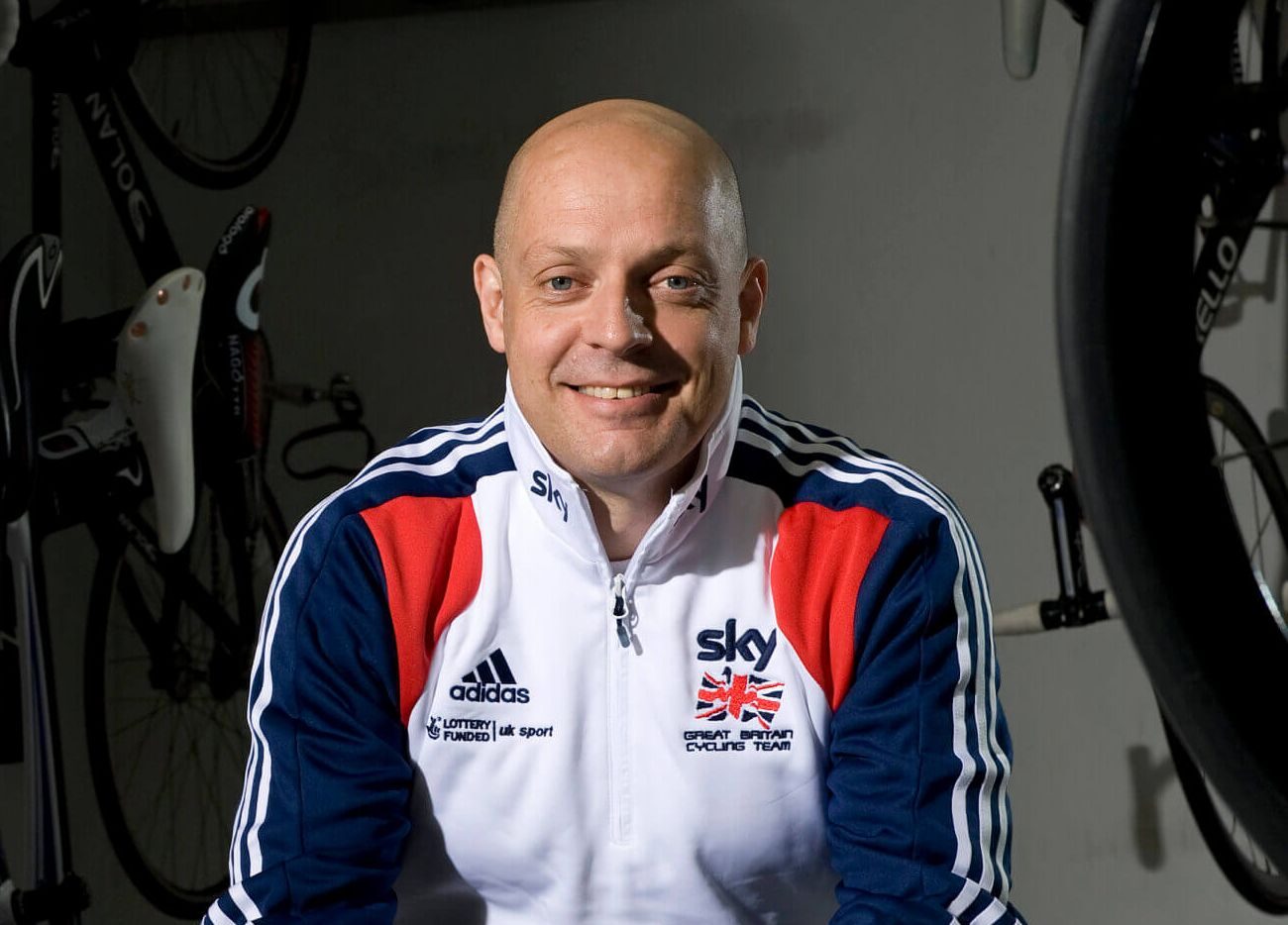
One of the most compelling examples of this type of leadership was guided by Sir Dave Brailsford as the head of the British Cycling team who went from winning one medal in 76 years of existence to the winners of seven of ten track cycling medals at both the 2008 Beijing Olympics and the 2012 London Olympics by focusing on marginal gains. He was interviewed by Harvard Business Review’s Eben Harrell in 2015 and has carried on his philosophies to achieve incredible outcomes with a variety of leadership groups.
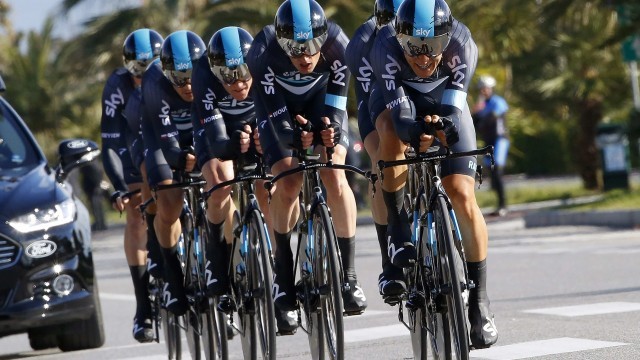
There are dozens of examples where the UK Cycling Team focused energy to result in performance improvements:
- Working in a wind tunnel to improve aerodynamics
- Painting the floors of the mechanics area in team trucks white, so it was easier to observe and clean dust, which was undermining bike maintenance
- Hiring a surgeon to teach proper hand washing and hygiene to reduce risk of preventable illnesses to cyclists
- Improving food preparation and focusing on nutrition
- Improving sleep posture and quality through improved mattresses and enhanced sleep quality
They did this through three pillars (“The Podium Principals”), which helped them focus their efforts, and I’ll discuss how each of these can translate to our own project’s success:
- Strategy
- Human Performance
- Continuous Improvement
Performance Improvements: Analyze Strategy
Sir Dave’s team broke cycling races into components and analyzed each, focusing on how impactful each stage was to winning. They looked at start times and the power required to “win the start.” They focused on identifying athletes who had the capacity to generate the needed power and who could sustain a specific pace to contribute to winning. Committing to this strategy could feel ruthless at times, so they attempted to be compassionate, but the goal was to win medals, so they did their best to balance compassion with competition, but the goal was to win medals, so they needed to focus most of their coaching energy with on only the athletes who had the capacity to help them win.
On our projects, we need to have a similar focus on strategy. One hopes our teams have more roles than a small cycling team, so the competition is not as cutthroat, but it’s important to develop a strategy and stick with it. In Partnering, we set Goals for each project. These Goals are intended to be evergreen and serve as the mission or north star for the team, so when there is a question about how to move forward, team members can fall back on the project strategy. I’ve had projects where the strategy was operationally focused – we needed to keep operations going and would sacrifice schedule to make that work. I’ve had other projects, where the schedule was the driver, so in that case, we will explore the use of full closures to “rip off the band-aid” and ensure that the project can get built in a timely manner. The key lesson is that you set a global strategy and allow for the team to flex as needed to achieve the strategy.
Performance Improvements: Focus on Human Performance
As mentioned earlier, the team focused on Human Performance to guide gains in athletic capacity and achievement. By optimizing rest and recovery, athletes are able to train harder. By optimizing nutrition, you ensure the athletes achieve the best potential size strength to weight ratio to achieve the level of power and pace to win at the racetrack. By focusing on mindset and psychology, you can develop a team who is committed to the strategy and the environment of continuous improvement, which means they will bring enthusiasm to training.
In construction the addition of daily safety talks, stretch and flex, keeping water and shade available on hot days, and other safety practices are helping ensure crews are physically ready to work at the jobsite. More recently, increased dialogue around mental health for construction professionals has opened the door for project leaders to emphasize worker morale and psychological safety with positive outcomes on the jobsite. High level athletes take data on their heart rate, cortisol levels, sleep quality, etc. I’m curious if there is a space in the construction industry to start focusing on those types of safety factors and potential enhancements. It is very common for crews on site to eat fast food, commute long distances to the jobsite and operate off of short sleep. It begs the question whether treating crews more like athletes who are performing physical work on a schedule over long periods would result in improved productivity and safety outcomes.
Performance Improvements: Commit to Continuous Improvement
A commitment to continuous improvement is about being able to maintain systems while simultaneously being able to step back and analyze whether it can be improved. Brailsford was able to get the entire British Cycling team (from the racers to the staff) excited about finding optimizations. What they learned was that making continuous improvement a focus and enthusiastically celebrating enhancements led to an environment where new ideas were constantly getting shared.
To me what is incredible about Brailsford is how he has been able to take this structure and mindset into multiple sports and organizations. After his success at the Olympics, he led the UK’s first professional cycling team to their first ever Tour de France victory and followed it up with several consecutive titles on the world tour. More recently he began consulting with the professional football (soccer) club, Manchester United.
I have seen this with construction teams. When teams fully embrace an environment of continuous improvement, they develop a culture and habit where they are focused on generating the best idea. It’s an infectious place to work because ideas can come from anywhere in the organization. This empowerment and ownership in the field enhances morale and means that the team delivering the project will learn as they go and will get better.
Think about your projects. How are they doing in these categories? Have you as a leader embraced some of these pillars and focused your team on implementing them? I hope you will try, because when you do, the sky is the limit!
– Rob
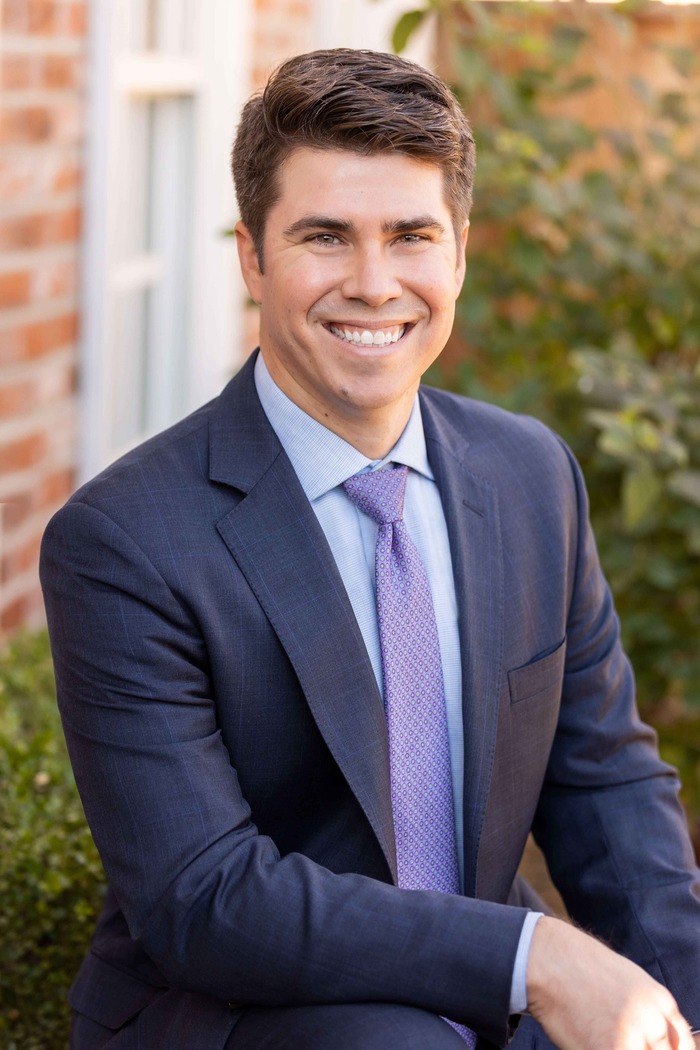 Rob Reaugh is President of OrgMetrics LLC. He facilitates the City and County of San Francisco Collaborative Partnering Steering Committee and currently works with San Francisco International Airport, San Jose International Airport, BART, Caltrans, and others. He holds a Masters’ Degree in Alternative Dispute Resolution.
For more information please contact Rob Reaugh, RobReaugh@Orgmet.com / (925) 487-2404 (cell), or OrgMetrics, (925) 449-8300.