


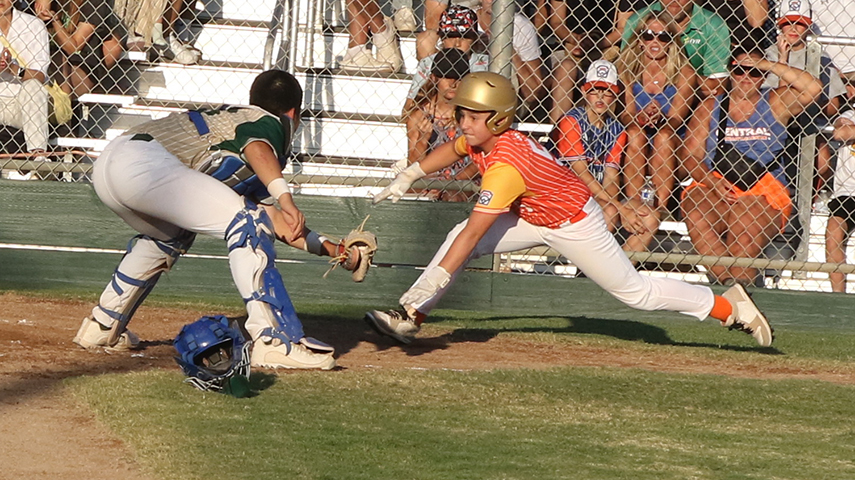
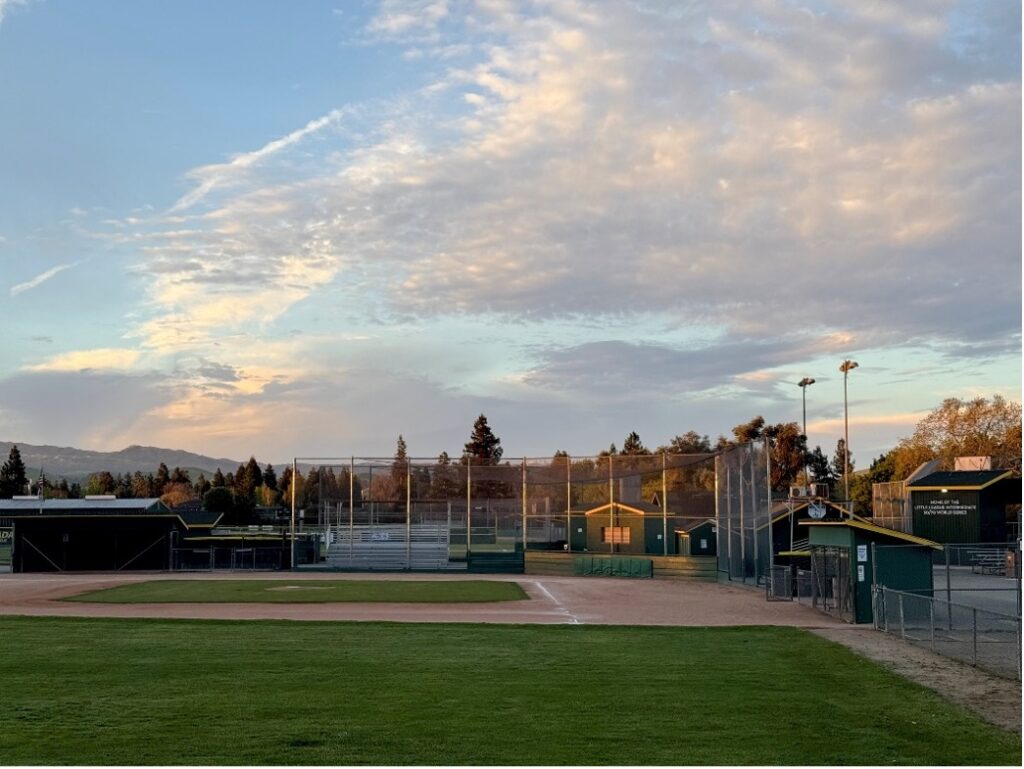
On August 3rd, Livermore, CA hosted the 50/70 Intermediate Little League World Series. This year, aside from the six USA regions, winning teams came from Australia, British Columbia, Czech Republic, Mexico, Venezuela, and Chinese Taipei. It’s impossible not to feel the energy of all the teams from where I stand because this world series happens to take place in my very own backyard. From my home we heard the families cheering, the ESPN announcers through the speakers, and all the kids playing wiffle ball on the t-ball field. It doesn’t take much for us to join the fun & enjoy some food and Icee’s at the snack shack while we are at it.
When I sit down to watch teams I’ve never before seen play, my first instinct is to choose a team I want to see make it through the week and win the double elimination tournament. What are the things I am looking for when it comes to winning teams?
Coaching Style
What is the coaching style of the leaders. Are the coaches yelling at their boys, criticizing the players, or maybe they are stern and stoic? Are they giving affirmations and assurance to their players to forget what just happened and focus on the most important thing, the next play?
The Athletes
Are the ballplayers controlling their controllables? Do they have good attitudes and effort? Are they complaining about calls, do they have slumped shoulders when things don’t go their way, are they not hustling when they pop the ball up or chase a ball in the field? Or worse, are they shaking their head or yelling at teammates when they don’t make the play? Do they stand tall even when there is an error or when they receive criticism? Do they cheer their teammates on no matter what happens to the play? I choose the latter as I am a firm believer of good sportsmanship, giving your all, and lifting those around you to do their best.
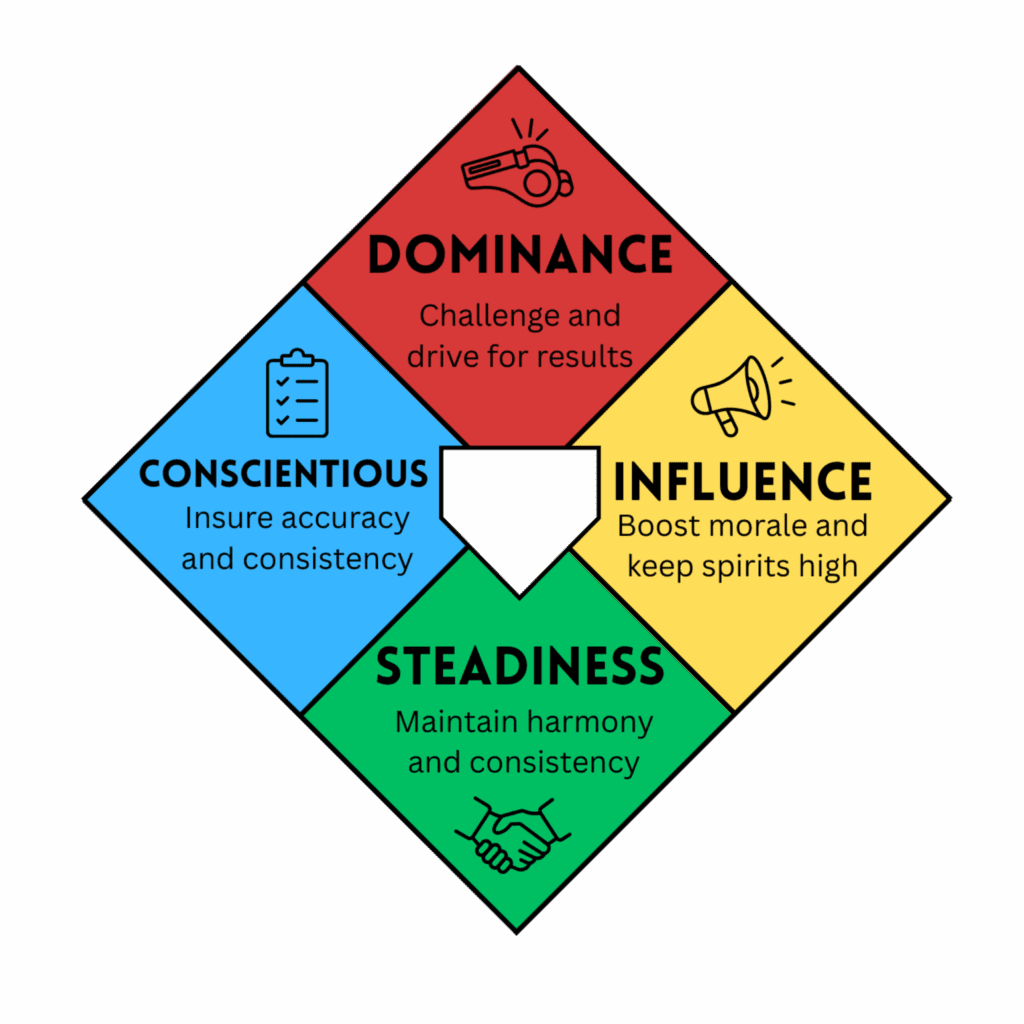
I can’t help but notice how much youth sports mirrors the dynamics we see on construction teams. Every team, whether on the baseball field or a job site is not all or none but instead is made up of a unique mix of personalities, motivations, and communication styles. This is where the DISC behavior model comes into play, and we can see what a team is made of:
- D (Dominance): The player who takes charge and pushes everyone to perform their best, just like the project leader who wants results.
- I (Influence): The motivator, cheering everyone on when energy dips. Think of the team members who keep morale high even in tough meetings.
- S (Steadiness): The steady player who never loses their cool, inning after inning. This is the dependable crew member who’s always there when the pressure’s on.
- C (Conscientiousness): The detail-oriented strategist who knows every play opportunity. Clearly, the engineer who reviews every drawing twice to ensure accuracy.
Understanding these behaviors is as valuable on the field as it is on a construction project. When teams learn to respect and leverage each style, they perform better, especially when things don’t go as planned.
“The strongest teams aren’t defined by how often they win, but how they respond when things don’t go their way.”
Defeat: The True Test of a Team
What’s most fascinating to me is not just how these teams win, but how they handle defeat. Some of these 13-year-old kids walk off the field with their heads held high, determined to learn and improve from each play. Others slump, complain, or show body language that says they’ve already given up.
We see the same thing in construction teams. A project setback, a schedule slip, a cost overrun, a tough client meeting. All of these can reveal a team’s true character. Will the team pull together and find a solution? Or will frustration and finger-pointing take over?
Different DISC styles handle loss differently, and it’s Ok!
- D’s might get frustrated and want to take quick action.
- I’s may try to rally everyone with positivity.
- S’s may feel discouraged but remain loyal to the team.
- C’s may retreat to analyze what went wrong.
Overuse of each DISC style can shift a team from helpful to harming the team’s ability to recover:
- D’s: Anger, impatience, blaming others, taking reckless shortcuts to “fix” things quickly. These can create tension or fear among the rest of the team.
- I’s: Over-cheerfulness that ignores the problem, talking too much without action, dismissing valid concerns. All of which can annoy teammates who want to address issues more seriously.
- S’s: Avoiding difficult conversations, resisting necessary changes, withdrawing emotionally to avoid conflict. These can stall progress because important adjustments aren’t being discussed or acted on.
- C’s: Over-analyzing mistakes, becoming critical of themselves and teammates. They feel their self-worth will never be the best. This can demotivate the surrounding team and slow momentum.
The most successful teams combine these reactions into a constructive response balancing drive, encouragement, loyalty, and analysis to come back stronger.
What We Can Learn
Whether on a baseball field or a construction site, the strongest teams aren’t defined by how often they win, but by how they respond when things don’t go their way. The best teams see challenges as opportunities to improve, leaning into their collective strengths and respecting each member’s role in moving forward. Setbacks will always happen and how a team handles them will ultimately define its culture and progress.
The Little League World Series reminded us that success isn’t about avoiding mistakes, it’s about how teams respond to them. Our “Building with Style” DISC training equips teams with practical tools to build trust, strengthen communication, and stay resilient under pressure. Great teams aren’t just formed; they’re built intentionally – one challenge, one skill, and one comeback at a time.
~ Louisa

Louisa brings a fresh and energetic approach to DISC training, combining her passion for people with the collaborative methods of OrgMetrics. As a Certified DISC Trainer, she helps construction project teams understand communication styles, strengthen relationships, and work together more effectively. Louisa’s approachable style makes DISC accessible, engaging, and directly relevant to the real-world challenges teams face. She is based in the Livermore, CA, where she enjoys coaching youth sports, volunteering at her children’s schools, and spending time with family.
For more information, please contact Louisa Garrett, louisagarrett@orgmet.com / (702) 466-8722 (cell) or OrgMetrics robreaugh@orgmet.com / (925) 449-8300.