



Curiosity vs Control: 5 Ways a Curious Mindset Drives Project Success
Hello, Construction Pros!
Every project brings its own challenges, and if you’ve been in the game long enough, you’ve likely encountered this dilemma: the balance between control and curiosity. On one hand, you need structure, deadlines, and a plan. On the other, excessive control, especially over the people you work with, can be a major project killer.
So, let’s dive into this topic!
Control: A Necessary Evil?
In construction, some degree of control is a must. You need to manage budgets, schedules, and quality standards. But here’s the catch: over-control of your team members and project dynamics can cause more harm than good.
When we talk about control in a project setting, it’s not about the practical constraints of managing timelines or safety. Instead, it’s about the attitude of trying to micromanage decisions, stifle creativity, or have every little detail filtered through one set of eyes. Sure, you need things to go smoothly, but if you’re controlling the people around you too tightly, that’s where problems start.
The Hidden Dangers of Over-Control
Let’s break down some of the negative effects of being too controlling on your project team:
- Stifles Creativity and Innovation. When you exert too much control, you limit your team’s ability to think outside the box. Construction projects are filled with new challenges and unexpected issues. A mindset that favors control over curiosity can mean less flexibility in adapting to new ideas or innovative solutions. Creativity thrives when people feel trusted and free to explore possibilities.
- Decreases Engagement and Morale. Everyone wants to feel trusted. When you constantly step in to control how your team performs their tasks, it signals that you don’t have confidence in their abilities. This leads to disengagement, reduced job satisfaction, and ultimately, lower productivity. People want to feel like they can contribute their expertise without being second-guessed at every turn.
- Inhibits Problem-Solving. Curiosity helps teams navigate challenges by asking the right questions and approaching problems with an open mind. Control, on the other hand, can lead to tunnel vision where decisions are made based on rigid plans rather than considering new data or different perspectives. When everyone’s too focused on following the “set” path, the project risks ignoring better alternatives or missing solutions entirely.
- Causes Bottlenecks and Delays. Overly controlling leadership can result in unnecessary bottlenecks. When approvals, changes, and decisions all funnel through one person, it slows things down. Projects that rely too heavily on a single point of control risk delays as a single person or small team gets overwhelmed. A curious approach, where you empower your team to make decisions and explore options, can dramatically speed up decision-making and reduce friction.
- Damages Team Dynamics. The team is only as strong as its collaboration. Trying to control people’s actions and relationships creates a tense atmosphere where people don’t feel comfortable expressing opinions or taking initiative. Strong team dynamics are built on trust, respect, and open communication. A curious approach, where everyone is encouraged to ask questions and share insights, creates an environment of psychological safety, which strengthens the team.
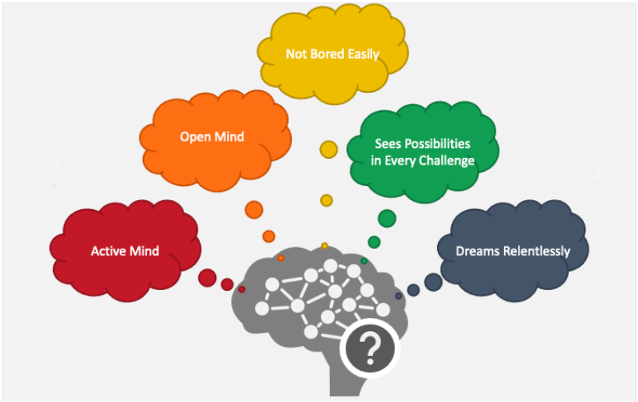
The Power of a Curious Mindset
Now, imagine flipping the script and approaching your construction project with a curious mindset instead. Here’s how this approach can transform your work:
- Promotes Open Communication: Curiosity encourages dialogue, where team members are comfortable sharing insights and feedback. When everyone feels heard, issues are solved faster, and decisions are more informed.
- Fosters Adaptability: A curious mindset helps you stay flexible when things don’t go according to plan. Whether it’s a sudden weather delay or a design change, curiosity helps you ask the right questions and find effective solutions rather than getting bogged down by the “we’ve always done it this way” mentality.
- Empowers Your Team: Curiosity isn’t about controlling the outcome; it’s about allowing your team to explore and find solutions on their own. When people feel like they have ownership over their work and decision-making, they’re more invested in the project’s success.
- Boosts Morale and Innovation: Encouraging curiosity opens the door to creative solutions and innovation. When people feel free to experiment, the results can be surprising (in the best way). Plus, when your team is excited to try new ideas, morale goes through the roof!
- Stronger, More Collaborative Relationships: A curious approach to work relationships means genuinely listening to your team, respecting their expertise, and learning from each other. This leads to stronger collaboration and a more positive project atmosphere.
Curiosity vs. Control: Balance is Key
To wrap up, control isn’t bad, it’s just about finding the right balance. While structure, timelines, and budgets need some control, over-controlling people or micromanaging decisions will hurt your project in the long run. Embrace curiosity. Ask questions. Listen to your team. Foster an environment where everyone feels empowered to share, innovate, and solve problems together. After all, the best projects aren’t built on control – they’re built on collaboration.
Your Next Steps:
Reflect on your leadership style: Are you leaning toward control or curiosity?
Ask your team for feedback: Are there areas where they feel micromanaged?
Create space for innovative problem-solving and open conversations.
Next time you’re facing a challenge, take a deep breath, step back, and consider: What’s the curious approach here?
We’d love to hear your thoughts on how you balance curiosity and control in your own projects. Drop us a comment, or share your experiences with us!
Stay curious, and let’s build better together!
~ Kate

Kate Stewart’s distinguished career spans 25 years as a professional neutral and organizational development consultant for numerous large organizations. Her expertise includes Partnering facilitation on high-profile projects, such as the Kansas City International Airport mega program. She has served as a coach, trainer, researcher, and thought leader across various industries and disciplines on both domestic and international fronts. Kate is based in the picturesque Paradise Valley, Montana, where she enjoys hiking, gardening, and reading.
For more information, please contact Kate Stewart, katestewart@orgmet.com / (406) 414-9922 (cell) or OrgMetrics RobReaugh@Orgmet.com / (925)449-8300