


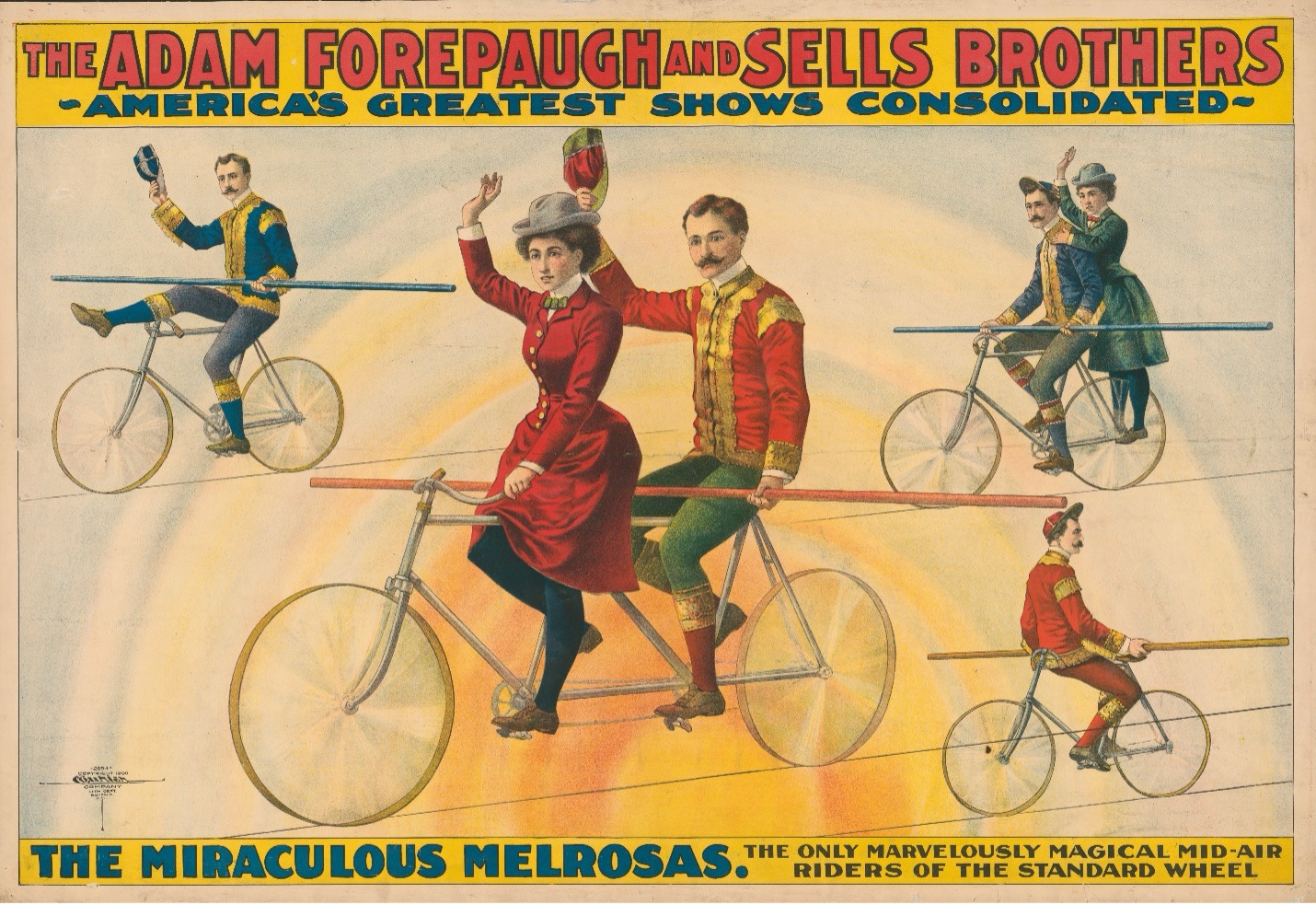
Yesterday, a dear friend shared her thrilling experience at the Cirque du Soleil Mystère show in Las Vegas. As she described the breathtaking performances and seamless coordination, it struck me how similar a circus troupe collaboration is to the construction collaboration a project team needs!
Construction Collaboration as a Circus Troupe
Imagine a circus performance. Each act, from the daring trapeze artists to the hilarious clowns, contributes to the overall spectacle. The show’s success relies on precise timing, coordination, and trust between performers. Without this interdependence, the performance could quickly descend into chaos, with missed cues and potential accidents. And let’s be honest, nobody wants to see a clown accidentally launch a pie into the trapeze artist’s face!
In the world of large, complex construction projects, the construction collaboration is like the circus troupe. Each member, from architects and engineers to contractors and suppliers, plays a vital role in the project’s success. Just as circus performers must work together seamlessly, project team members must build strong relationships and trust to ensure the project stays on track. Otherwise, you might end up with a building that looks like it was designed by a clown on stilts!
Construction Collaboration Key Points
The Ringmaster (Project Manager): Just as the ringmaster orchestrates the show, the project manager guides the team, ensuring everyone is aligned and working towards the same goal. Think of them as the person who keeps the lions from eating the clowns.
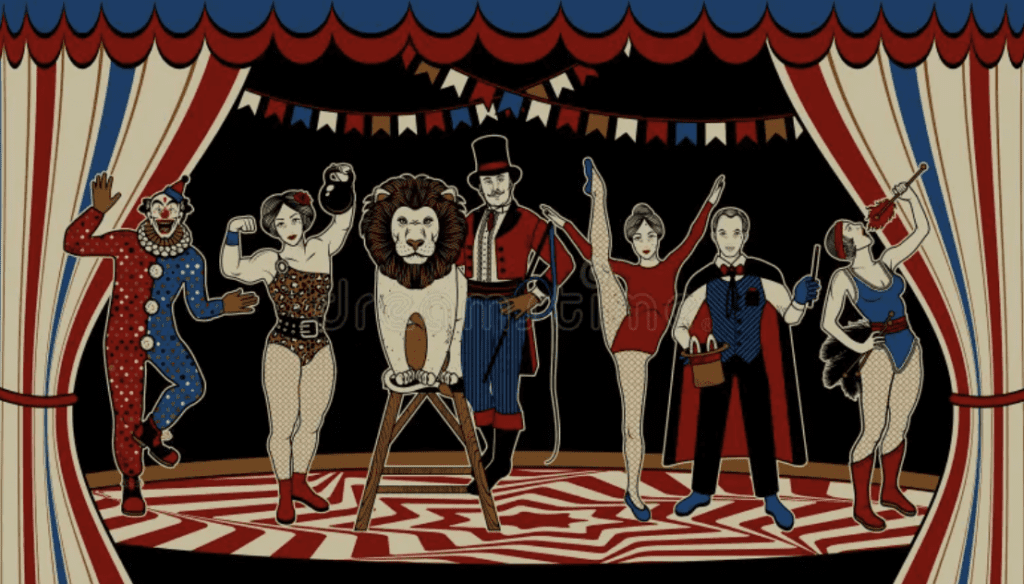
Performers (Team Members): Each team member brings unique skills and expertise, much like the diverse acts in a circus. Their collaboration and communication are essential for a flawless performance. Without them, you’d have acrobats trying to juggle and clowns attempting high-wire stunts—disaster!
Show Schedule (Project Plan): The project plan serves as the show schedule, providing a clear roadmap for the team to follow. Deviations can lead to confusion, so adherence to the plan is crucial. Imagine if the tightrope walker decided to perform during the fire-eating act—things could get a bit too heated!
Rehearsals (Planning and Coordination): Regular meetings and coordination sessions are like rehearsals, allowing the team to fine-tune their approach and address any issues before they become major problems. It’s like making sure the clown car doesn’t explode before the big show.
Trust and Communication: Just as circus performers must trust each other to execute dangerous stunts safely, team members must trust and communicate openly to navigate challenges and achieve success. After all, you wouldn’t want the human cannonball to launch without warning!
In my role as Partnering Facilitator, I sometimes keep the lions from eating the clowns. Seriously, my goal is to help the team operate as effectively as possible to align and meet scope, schedule, and budget objectives. Beyond that, I help them build the kind of trust and effective communication that lead to a great project, a satisfying experience, and lasting relationships.
I’m guessing that’s how the Cirque du Soleil troupe achieves its magic, too!
~ Kate