


What Note Do You Bring? Four Styles, Four Different Ways of Showing Up
Imagine walking into a music store filled with pianos. You strike a single note on one piano, and something remarkable happens. Other strings tuned to that same note begin to vibrate, even though no one has touched them.
This phenomenon is called sympathetic resonance. And while people aren’t musical instruments, the analogy offers an interesting lesson about how we influence one another.
The way we show up matters.
Think about your last challenging project meeting. Before anyone even spoke, you could probably sense the mood in the room.
Someone walked in frustrated. Another person immediately became defensive as the meeting started. Voices grew louder, positions hardened, and what should have been a productive conversation became another obstacle to overcome.
Now imagine someone entering that same meeting with a different approach. Calm. Curious. Willing to listen. Rather than matching the frustration, they ask a thoughtful question and give everyone a chance to be heard.
The issue hasn’t changed. But the conversation just might.
The Science Behind the Behavior
Psychologists use the term co-regulation to describe how people influence one another’s emotional states through social interaction. We constantly pick up on tone of voice, facial expressions, body language, and the pace of conversation. These cues shape how comfortable, threatened, or open we feel.
Picture an owner’s rep pushing back hard on a change order. If the PM answers with equal force, the room tightens and everyone digs in. If the PM slows down and asks, “Help me understand what’s driving the concern,” the same disagreement can turn into a problem-solving session.
Staying calm won’t automatically calm everyone around you. But your behavior can either add to the tension or help create the conditions for a more productive conversation.
And that brings us to DISC.
Four Styles, Four Different Ways of Showing Up
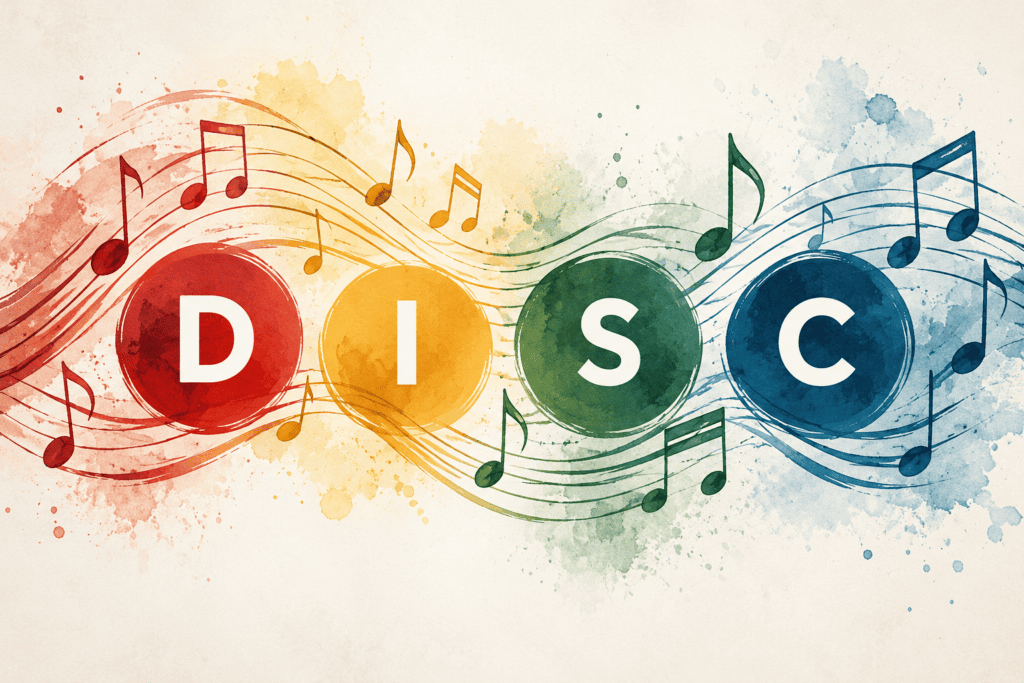
Over the past several weeks, I’ve had the opportunity to work with several construction teams through our Building with Style DISC workshops. DISC describes four behavioral styles: Dominance, Influence, Steadiness, and Conscientious. One of the most valuable lessons we explore is that people don’t necessarily experience the same conversation in the same way.
Consider a superintendent who announces, “We’re resequencing the schedule. Starting Monday, framing moves ahead of MEP rough-in.”
- A high D may hear a decision and is ready to move. That’s likely how it was meant.
- A high I may wonder how the team will get excited about the change, or feel their input was skipped.
- A high S may feel the pressure of an abrupt shift and need time to absorb what it means for the crew.
- A high C will want to see the new sequence, the logic behind it, and the impact on inspections before agreeing.
Same announcement, four very different experiences. Most people don’t have bad intentions. They are simply communicating from different behavioral preferences.
The challenge is not to change who you are but to recognize how your natural approach may be received by others and learn when to adjust. Small adjustments can change the direction of an entire conversation.
Winter Is a Good Time to Build More Than the Project
As we head into the winter months, construction teams are preparing for weather delays, shifting schedules, and the challenge of keeping projects moving.
While we plan for the physical challenges ahead, it’s worth asking how prepared the team is to navigate them together. Winter can be an ideal window for team development. As field activity slows, teams may have more time to step back, plan, and get aligned before the spring ramp-up.
That matters because when pressure increases, we tend to rely even more heavily on our natural behavioral tendencies. Understanding those tendencies before conflict arises gives teams a better chance of responding thoughtfully rather than reacting automatically.
What Note Will You Play?
The next time you walk into a difficult meeting, take a moment to consider not just what you’re going to say, but how you’re going to show up.
Are you bringing frustration or curiosity? Defensiveness or openness? Urgency without explanation, or urgency with understanding?
You can’t control how everyone else responds. But you can influence the conditions in which the conversation takes place.
Try this before your next meeting: pick one adjustment. Then notice what changes. Sometimes, changing the tone of a project begins with changing your own.
At OrgMetrics, our Building with Style DISC workshops help construction teams recognize their behavioral preferences, understand how others experience them, and develop practical ways to communicate more effectively. As you plan for the winter months, consider making team development part of your project strategy.
~ Louisa
Inspired by Dan Kaplan’s “What Note Are You Playing?” from The 2-Minute Tip.

Louisa Garrett is a Partnering Facilitator with OrgMetrics LLC, specializing in building high-performing construction teams through trust, communication, and collaborative problem-solving. She supports the San Francisco Collaborative Partnering Steering Committee’s efforts to improve construction culture across multiple agencies and has facilitated partnering, team development, and negotiation training for complex aviation, infrastructure, water, and municipal projects.
Louisa is an International Partnering Institute (IPI) Trusted Leader and Center for Community Dispute Settlement Court Mediator. She is also a DISC Certified Trainer, using behavioral insights as an additional tool to help teams strengthen communication, understand different perspectives, and navigate conflict more effectively. Her work focuses on building the trust, relationships, and collaborative behaviors necessary for exceptional project outcomes.
For more information, please contact Louisa Garrett, louisagarrett@orgmet.com / (702) 466-8722 (cell) or OrgMetrics robreaugh@orgmet.com / (925) 449-8300.