
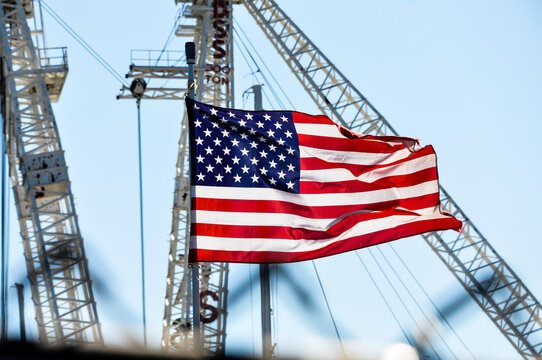
As the fireworks fade and the last hot dog is grilled, we’re reminded that Independence Day is more than a celebration of independence—it’s a tribute to unity. This nation was founded on the bold idea of freedom, but it was built (and continues to be built) by people pulling together toward shared goals.
That same paradox, independence and collaboration, is at the heart of every successful construction project. Let’s face it: construction teams are like America itself. Strong personalities, diverse backgrounds, and a whole lot of opinions about how things should be done. But when the mission is clear and the stakes are high, we find a way to work together.
Here are three examples of how I’ve personally seen that balance play out on some complex projects:
1. U.S. Embassy in an Arab Country
Diplomacy in Steel-Toe Boots
Building a U.S. embassy overseas is like constructing a fortress, a cultural bridge, and a political statement all at once. The design team might be based in D.C., the construction crew is often local, and the client is the U.S. State Department. Everyone brings their own “independence” – their expertise, their standards, their way of doing things.
But success only comes when those independent players collaborate. The American engineers need to understand local building codes and cultural sensitivities. The local contractors need to grasp U.S. safety and security requirements and timelines. It’s not just about pouring concrete, it’s about building trust. And maybe learning how to order lunch in Arabic.
2. Progressive Design-Build at a Major Airport: Herding Cats at 30,000 Feet
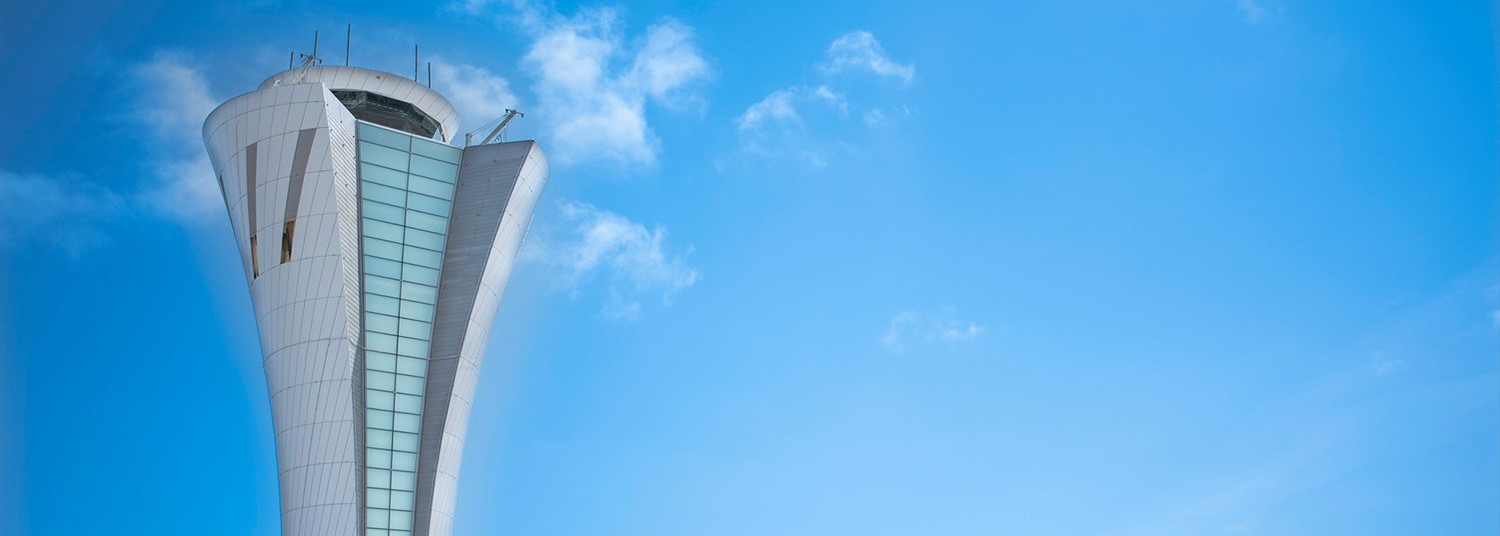
In a progressive design-build project, the team is assembled early – owners, designers, and builders all working together from the start. Sounds great, right? Until the architect wants a glass canopy that looks like a bird’s wing, the contractor wants to value-engineer it into a metal awning, and the airport authority just wants it done before the next fiscal year to ensure the project is eligible for a federal grant.
Here, independence is essential. Each party brings unique value. But collaboration is the glue. Weekly co-located meetings, shared digital models, and a healthy dose of humor (“Did the TSA concur with our design?”) keep the project flying. The result? A terminal that’s not just functional but inspiring for the passengers who fly out of it and the end-users who operate it. And maybe the project even finishes on time.
3. State DOT + Contractor = Highway to Harmony (Hopefully)
Highway projects are where independence can turn into gridlock, literally. The DOT has its specs, the contractor has its methods, and both can always fall back to the lawyers. But when collaboration kicks in, magic happens.
Take a recent example: a state DOT and a contractor working on a major interchange used a partnering approach. They held joint risk workshops, shared scheduling tools, and had a ‘no finger-pointing’ agreement. The result? Fewer change orders, faster delivery, and a ribbon-cutting ceremony where everyone actually smiled.
Enter the Partnering Facilitator: The Project’s Peacekeeper
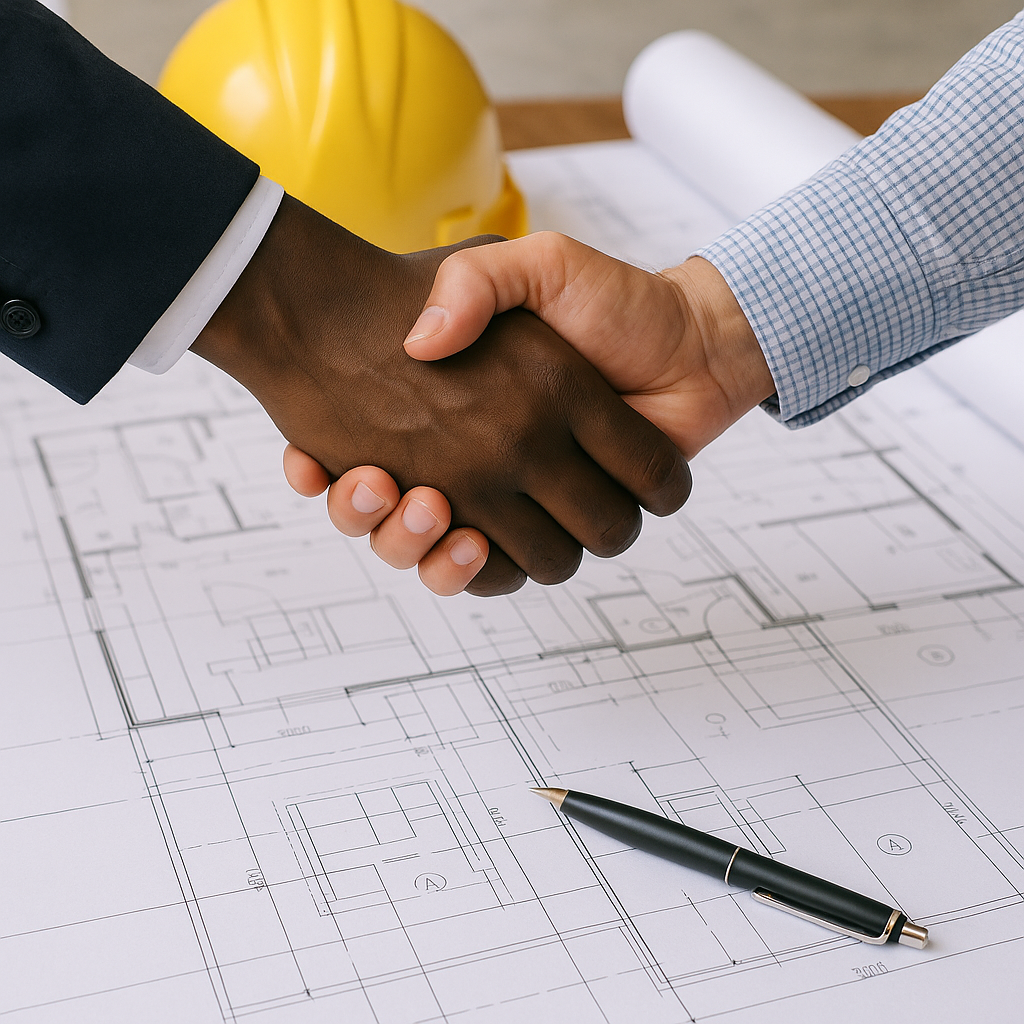
If independence and collaboration are the yin and yang of construction, then the Partnering Facilitator is the wise monk in the middle calmly guiding the team toward balance. We help project teams align on goals, resolve conflicts early, and build a culture of trust. While we don’t swing hammers or draw blueprints, we do help ensure that the people who do are rowing in the same direction.
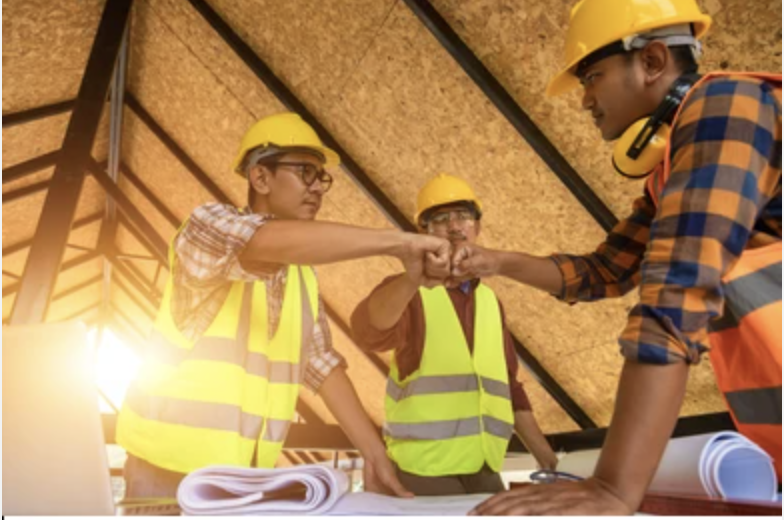
Direct benefits of Structured Partnering with a Partnering Facilitator include:
- Faster issue resolution before issues escalate into costly conflicts
- Improved communication across disciplines and organizations
- Clearer alignment on goals, risks, and success metrics
- Higher morale and stronger team cohesion
- Reduced claims and change orders
- Better project outcomes—on time, on budget, and with fewer headaches
Think of us as the project’s therapist, coach, and referee all rolled into one. And unlike your uncle at the 4th of July barbecue, we actually listen.
So What’s the Takeaway?
Freedom and independence are powerful. They drive innovation, accountability, and pride in our work. But collaboration is what turns blueprints into buildings. It’s what transforms a group of experts into a team. And it’s what makes the difference between a project that’s merely completed and one that’s truly successful.
So as we pack away the flags and fireworks, let’s carry forward the spirit of July 4th, not just as a celebration of independence, but as a reminder that we’re stronger when we build together with a little help from a Partnering Facilitator.
Happy (belated) Independence Day—and here’s to the next great project.
~ Kate
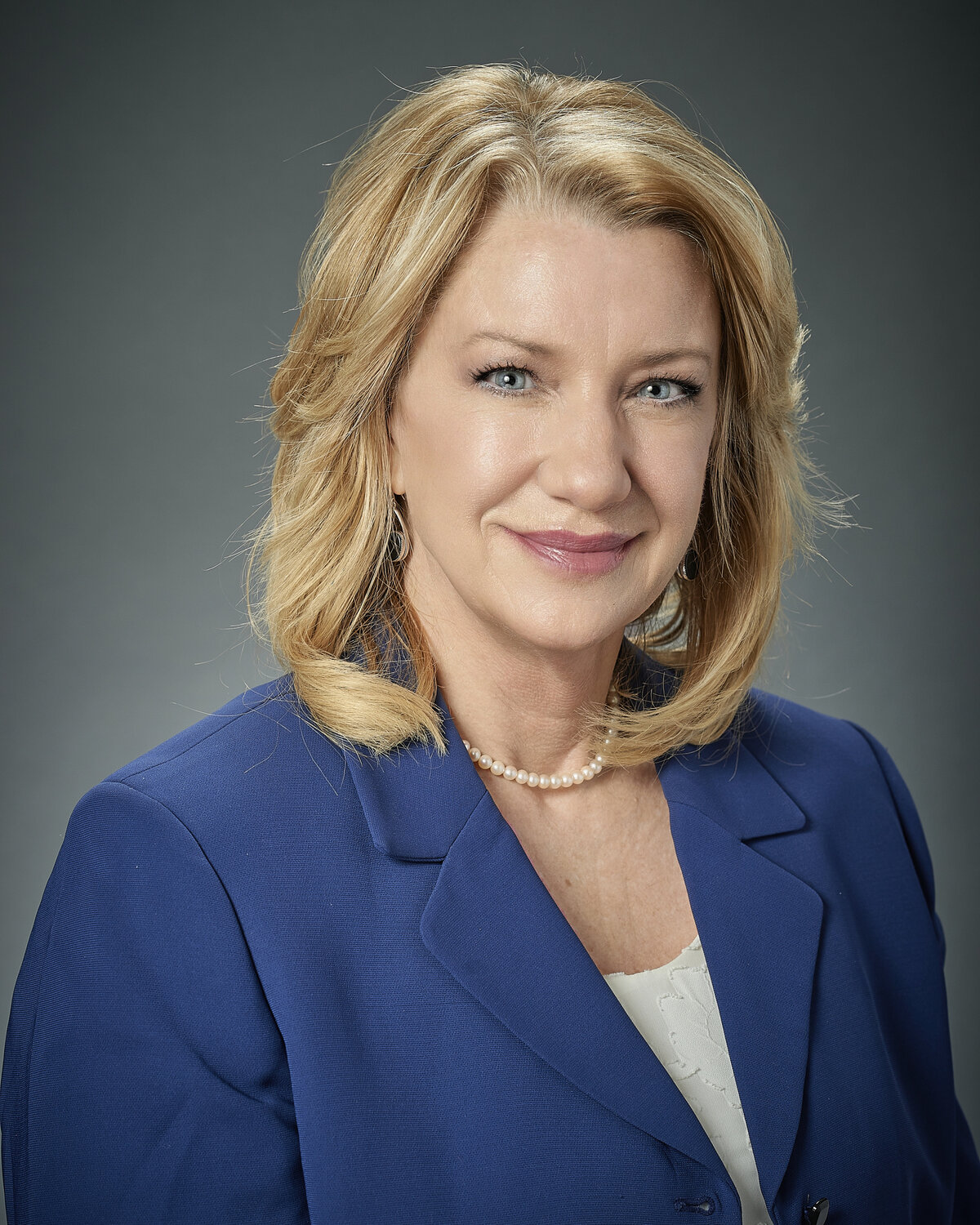
Kate Stewart’s distinguished career spans 25 years as a professional neutral and organizational development consultant for numerous large organizations. Her expertise includes Partnering facilitation on high-profile projects, such as the Kansas City International Airport mega program. She has served as a coach, trainer, researcher, and thought leader across various industries and disciplines on both domestic and international fronts. Kate is based in the picturesque Paradise Valley, Montana, where she enjoys hiking, gardening, and reading.
For more information, please contact Kate Stewart, katestewart@orgmet.com / (406) 414-9922 (cell) or OrgMetrics RobReaugh@Orgmet.com / (925)449-8300